 |
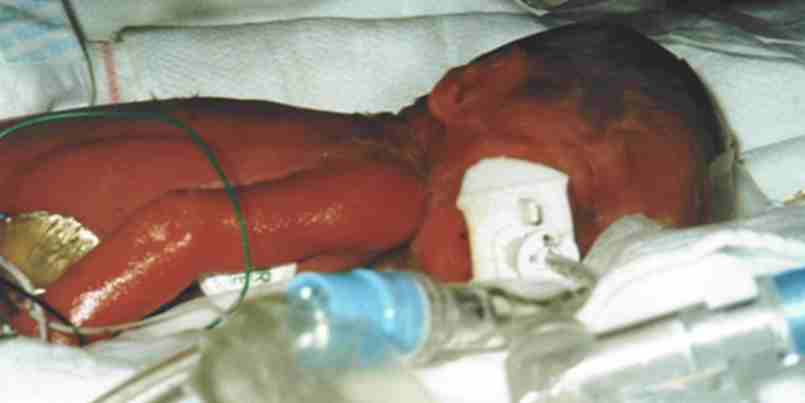
| Chris at a few weeks old |
As most of you know, our oldest son, Chris, was born extremely prematurely on August 23, 1996. For one month, he was the smallest baby in the neonatal intensive care unit (NICU), by far, until finally two more 24-weekers joined him. During our 117 days in the NICU, we learned more than we ever wanted to know about the risks preemies face.
One of those risks is called RSV, or respiratory synctitial virus. We learned about RSV a few months into Chris’ NICU stay, when a tragedy struck another family. We had gotten to know a couple before their son, Jonah, went home from the hospital. A hale and hearty 34-weeker (compared to our fragile little bird), Jonah contracted RSV a few weeks after arriving home, and after being hospitalized for a week or so as the medical staff tried to save his life, he died.
 |
| Our freezer full of breast milk |
Then came December, when Chris was 15 months old. We visited England, and in spite of my electrical converter, my hospital-grade breast pump exploded and stopped working. I had to go cold turkey (OUCH!), because Chris was not able to nurse as a result of his reflux…and he stopped receiving breast milk. At 15 months, we figured it was fine for him to switch to cow’s milk.
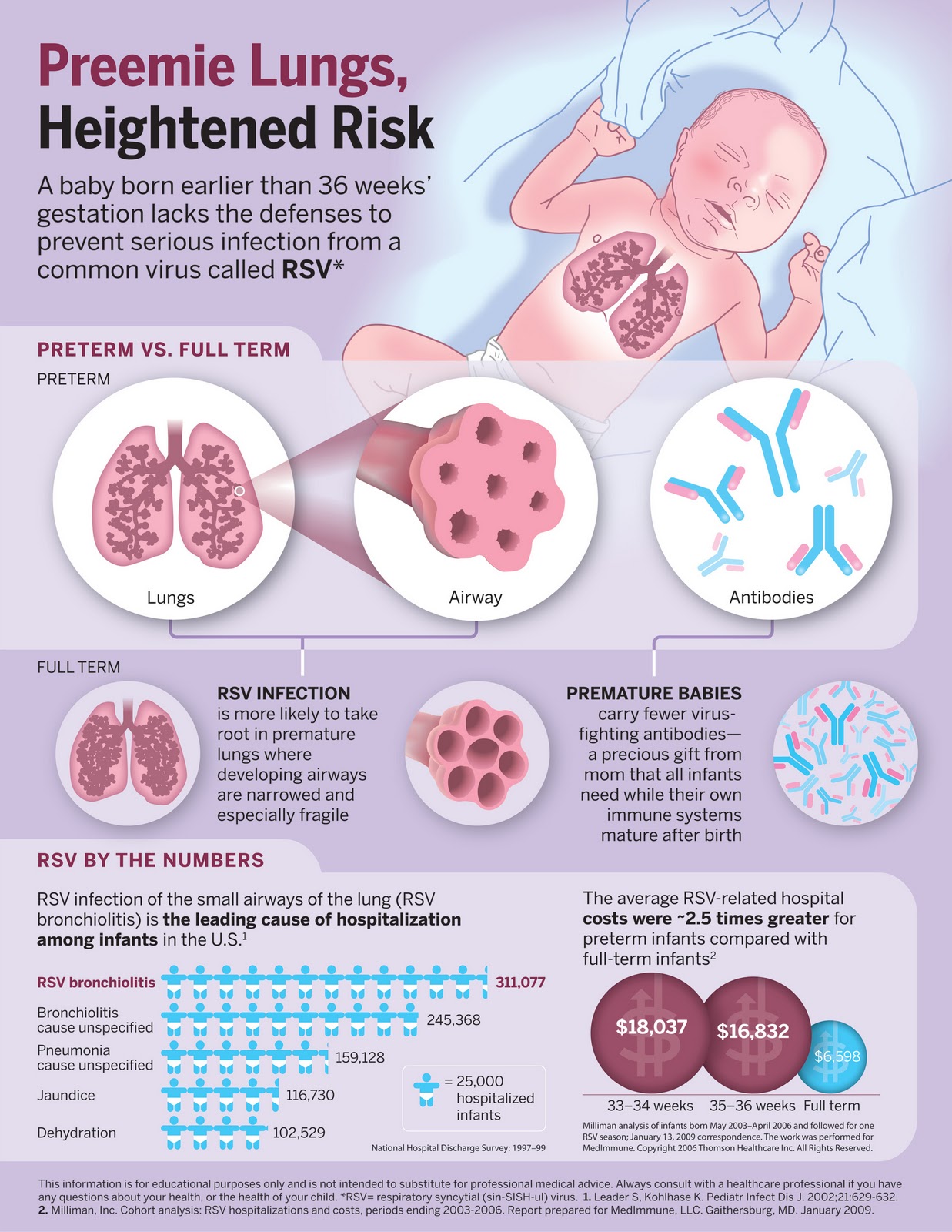 Here are some facts about RSV:
 - Although nearly every baby contracts RSV by age two, in healthy children it usually manifests itself with symptoms similar to the common cold.
- Because they don’t have the antibodies needed to fight off infection, preemies—even those born just a few weeks early like our friend Jonah—are at increased risk for developing an RSV-related infection. In fact, RSV is the leading cause of infant hospitalization (responsible for more than 125,000 hospitalizations and 500 deaths per year).
- RSV occurs in epidemics each fall through spring. The Centers for Disease Control has defined “RSV season” as beginning in November and lasting through March for most parts of North America.
- Despite its prevalence, one-third of mothers have never heard of RSV. (I had certainly never heard of it before I entered the NICU world.)

- Prevention is key because there is no surefire treatment (and even the treatments available are given only to the highest-risk kids):
- Wash hands, toys, bedding, and play areas frequently
- Ensure that you, your family, and any visitors wash their hands or use hand sanitizer
- Avoid large crowds and people who may be sick
- Never let anyone smoke near your baby

- Parents should speak with their pediatrician to find out if their baby is at high risk for developing severe RSV and how they can prevent against RSV this winter. They can also watch out for symptoms:
- Persistent coughing or wheezing
- Rapid, difficult, or gasping breaths
- Blue color on the lips, mouth, or under the fingernails
- High fever
- Extreme fatigue
- Difficulty feeding
To learn more about RSV, visit http://www.rsvprotection.com/. For more about the specialized health needs of preterm infants, visit http://www.preemievoices.com/.
Please help me spread the word about RSV in honor of World Prematurity Day, November 17.


 Every Day Is a Miracle