
Kyoto was the city where I always wish I had more time…jam packed with temples, shrines, and other cultural attractions. As the imperial capital for over a thousand years, Kyoto offers a unique blend of ancient history and modern life, with many prewar buildings and traditional wooden houses (machiya) still intact.
I would always take visitors to Kyoto, less than an hour from Osaka.


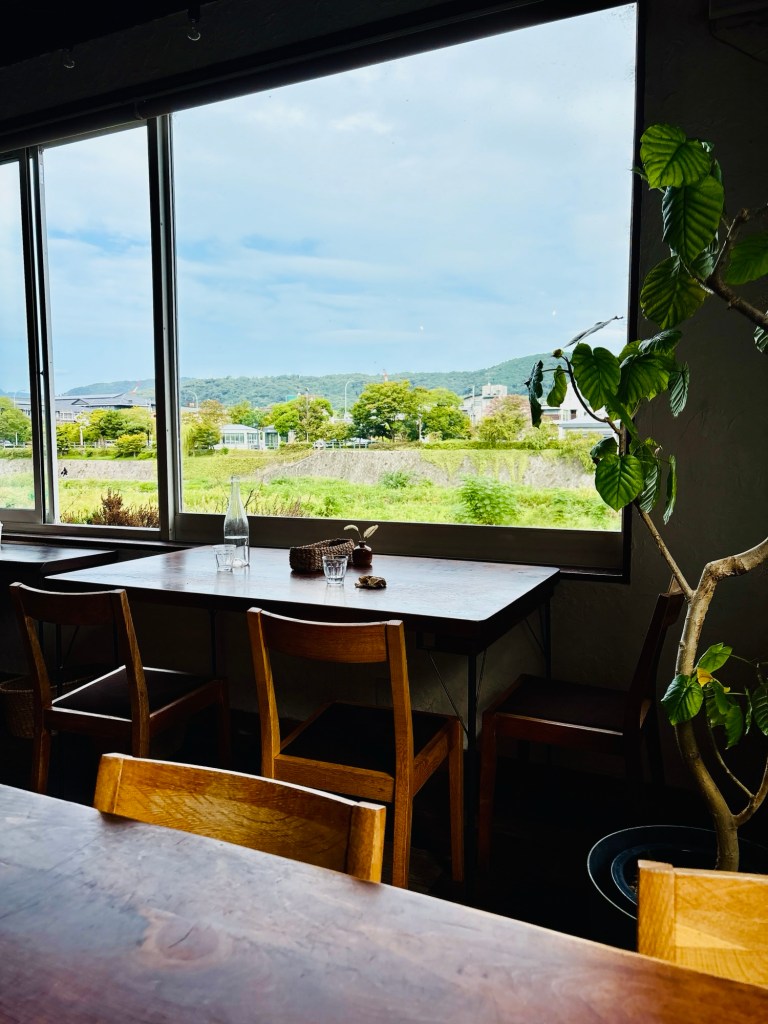
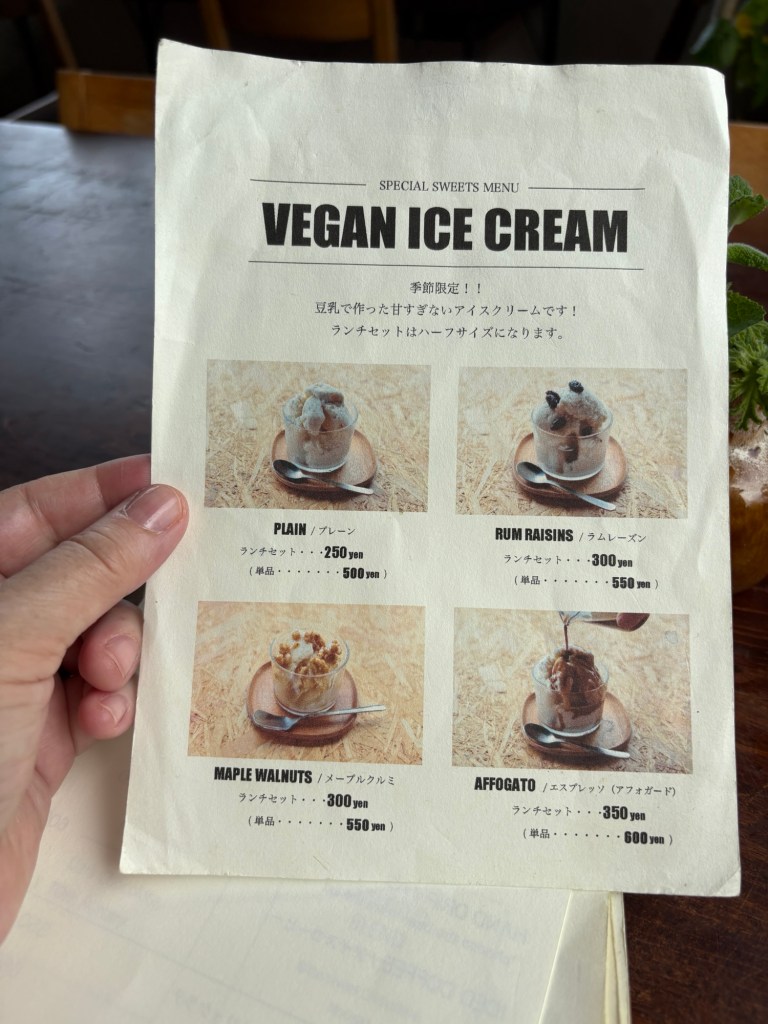
After arriving in Kyoto and leaving our bags at the Gion Crystal Hotel, we went in search of Veg Out Kyoto. As I’ve said before, I’ve been a very bad vegan! But I was craving fresh healthy food. Veg Out Kyoto is run by a yoga studio and on the banks of the Kamokawa. Very popular among foreigners, we had to wait a bit outside for a table and struck up conversation with a woman from Bend, Oregon and her 19-year-old son and an older California couple. The older woman was a psychiatrist who had attended a conference in Tokyo.
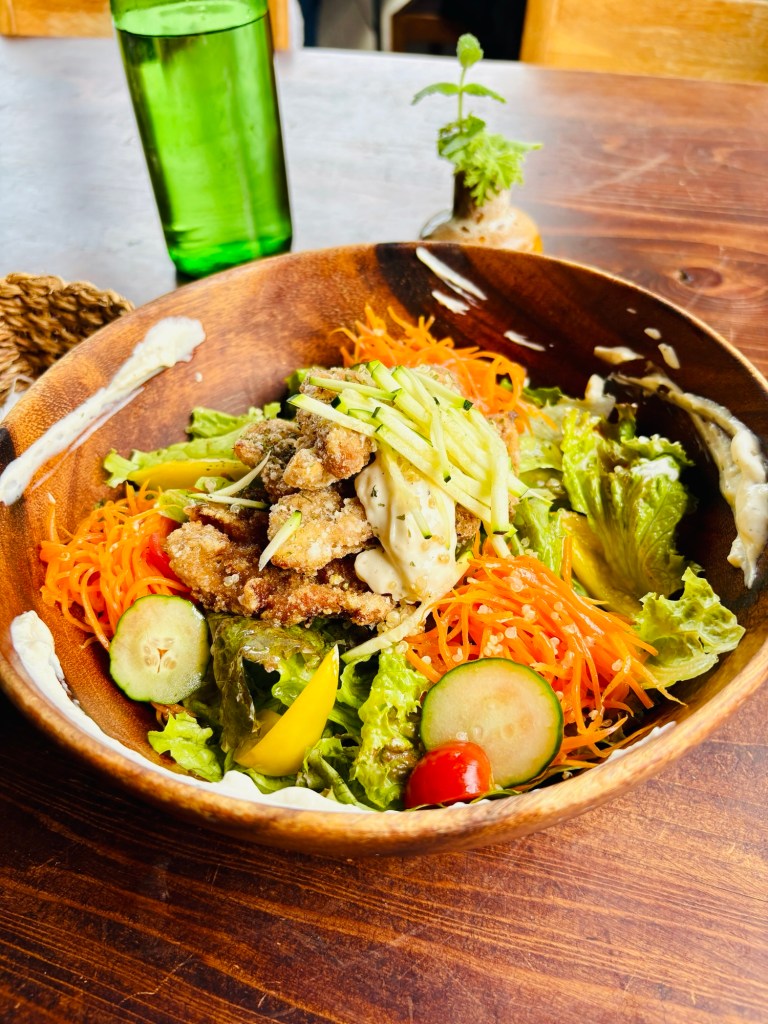
I loved the food at Veg Out Kyoto! It’s been hard to eat fresh fruits and veggies in Japan. I had a Buddha bowl and Mike had the curry, plus we had home-brewed kombucha. We are such Portlanders!!

As we were leaving the restaurant, the older couple wanted conversation and suggestions. My husband is perfect for that! 😂 But when I told them about a specific temple, the woman said, “I don’t want to see Buddhas.” Well that cultural insensitivity hooked me! I said, “well, you’ve come to the wrong country.” Eventually I pulled Mike away from the conversation…he thought I was a bit abrupt, but I didn’t want to waste time talking…I wanted to get to my temples! 😂 I am the one with the agenda and travel plans…haha!

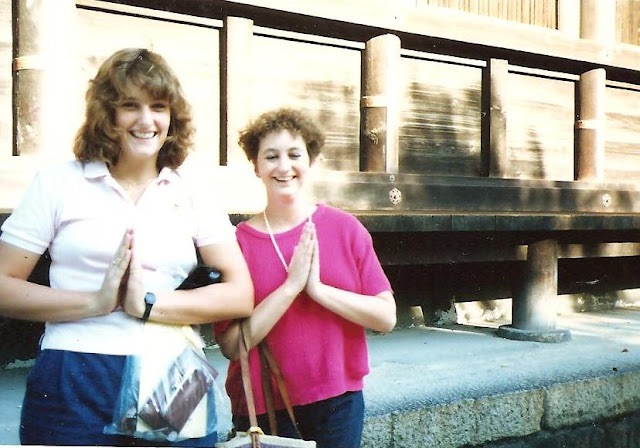
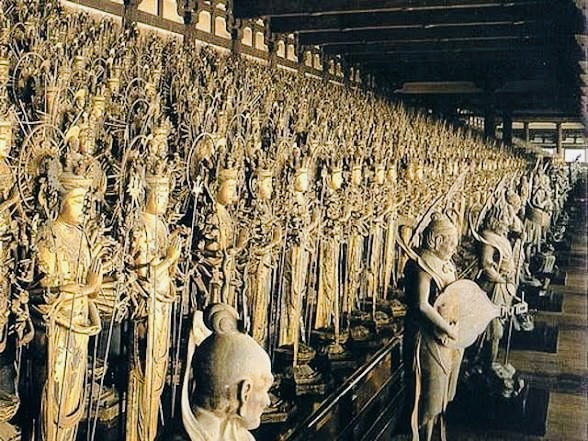
On our second trip to Kyoto in fall 1986, my traveling buddy Debbie and I got off the bus at the wrong stop and happened across this amazing temple, Sanjusangendo, which was founded in 1164. The original temple burnt to the ground in 1249, but the present building (one of the world’s longest wooden buildings) dates from 1266. The temple is full of 1,001 intricately detailed statues of Kannon (goddess of mercy), which were carved in the 12th and 13th centuries by a famous sculptor, Tankei.
I knew I wanted to return there…at the time it was a little-known temple. Of course all that has changed, as Kyoto has definitely been discovered! I remember all the temples and shrines being free back in the ‘80s, and now most of the well-known ones charge admission. But even though we went in the peak of the afternoon, it was not too crowded.
They don’t allow you to take photos inside any more, which makes sense. This vision of 1,001 golden Kannon statues (and some other gods too) is absolutely stunning. These photos I took in 1986 or got from the Internet:


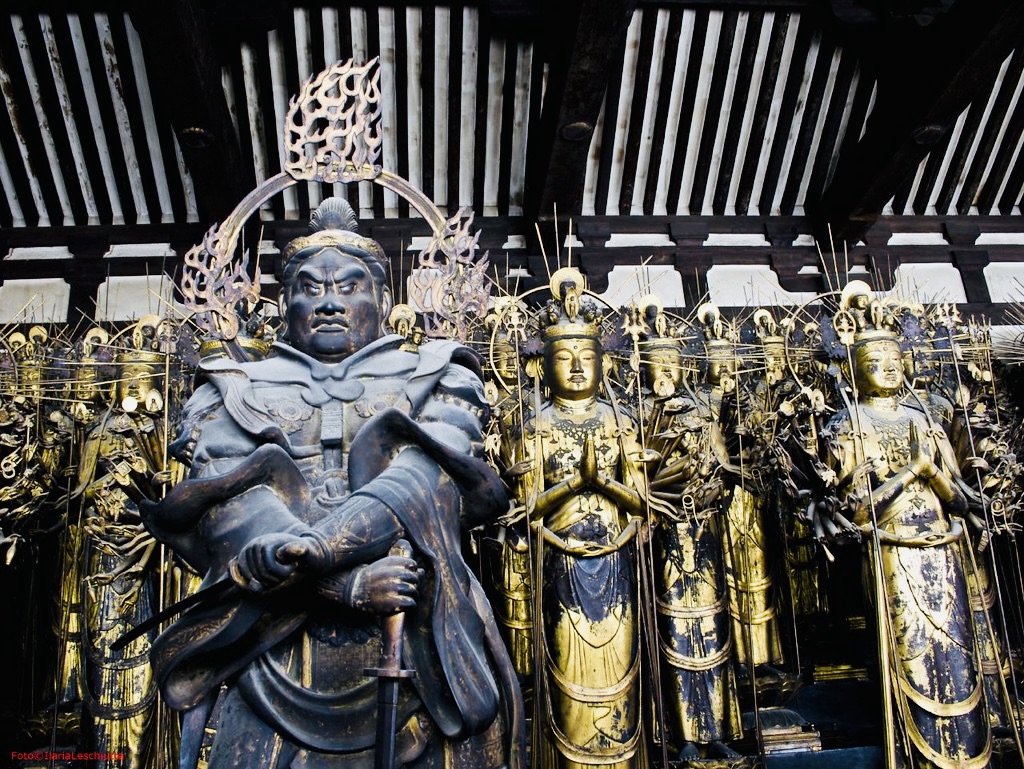

While we were there, a priest was chanting prayers for someone who had died. It was a beautiful, sacred background for our visit.

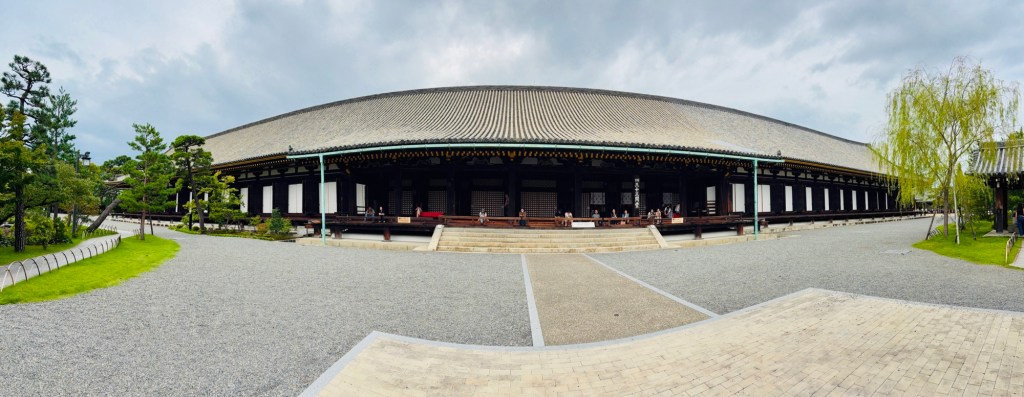
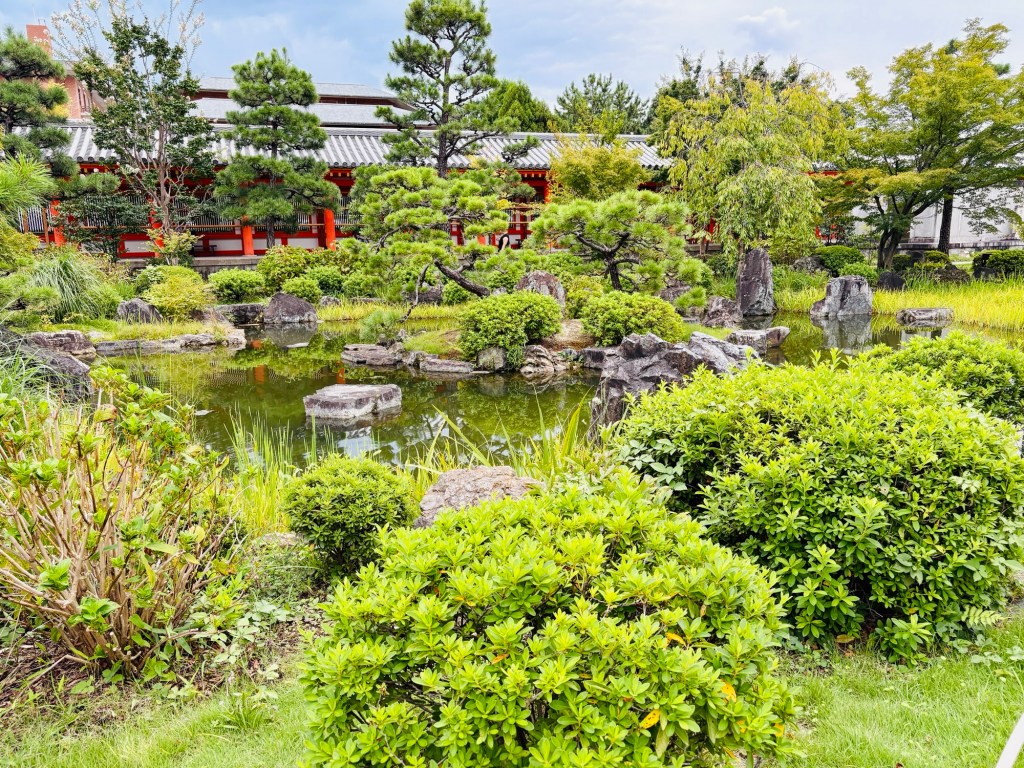
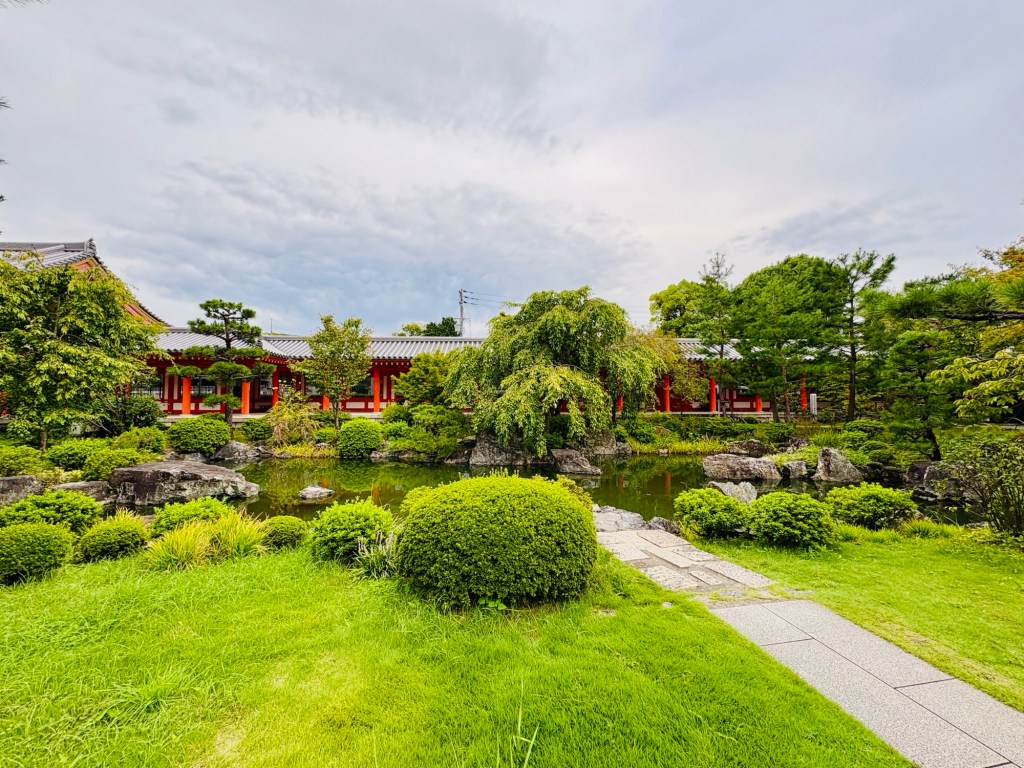
We wandered around the lovely gardens and sat gazing for awhile.
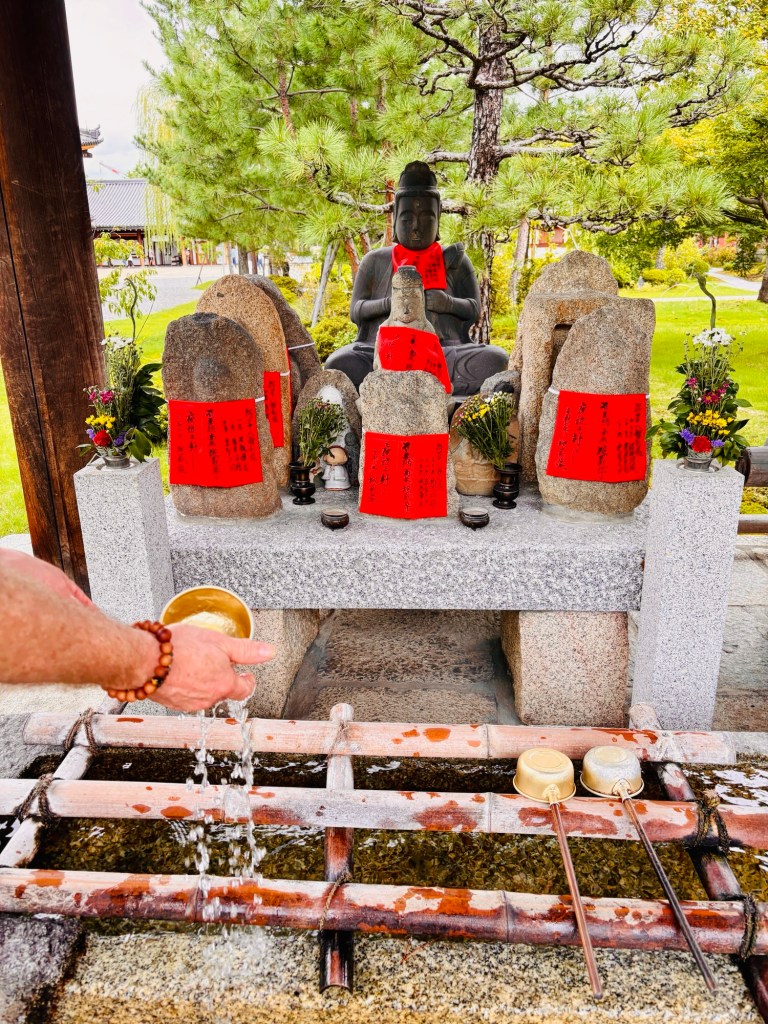
In Japan you see many temple statues wearing red bibs. Now that I can Google these things, I know that red bibs are placed on Jizo statues in Japan because red is believed to repel evil spirits and illness. Red offers protection to the deity and by extension, to those who make the offering, especially parents praying for their deceased children. Parents also place these bibs as a gesture of gratitude and compassion for Jizo’s role in guiding children to safety and Nirvana after death.
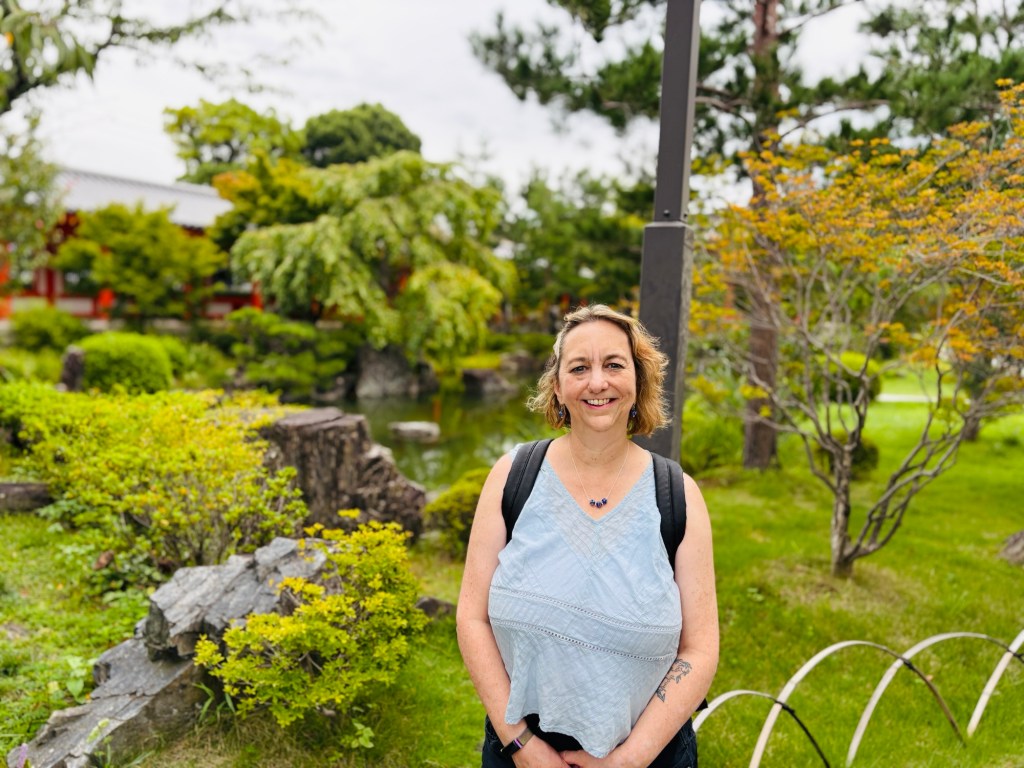

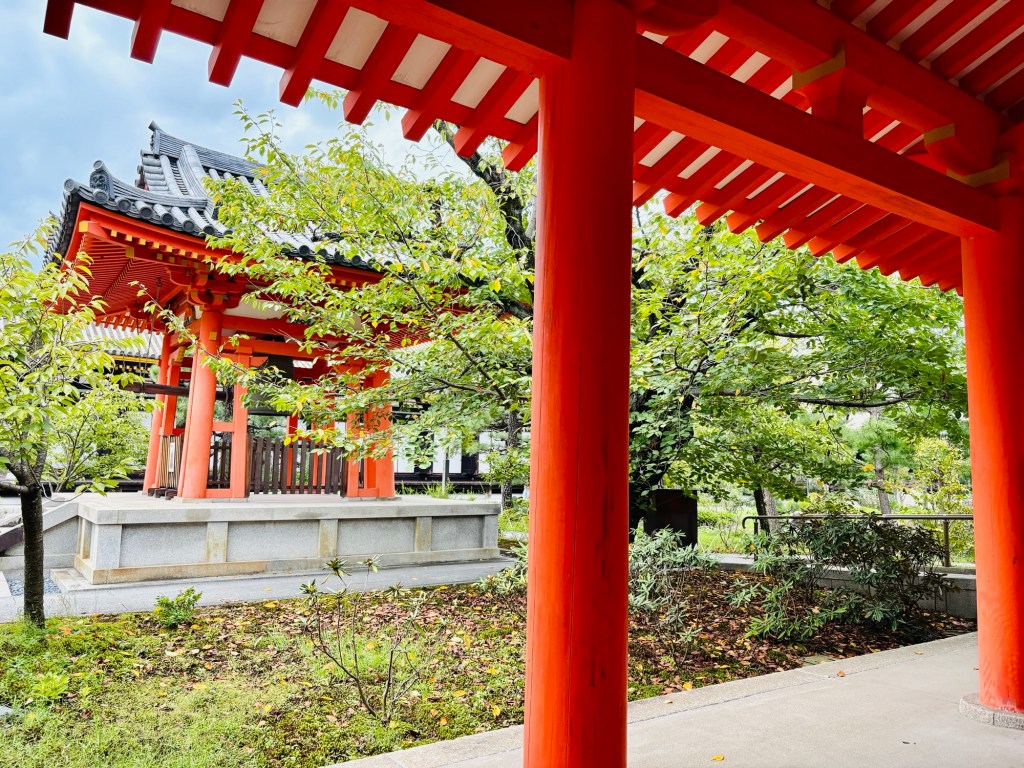
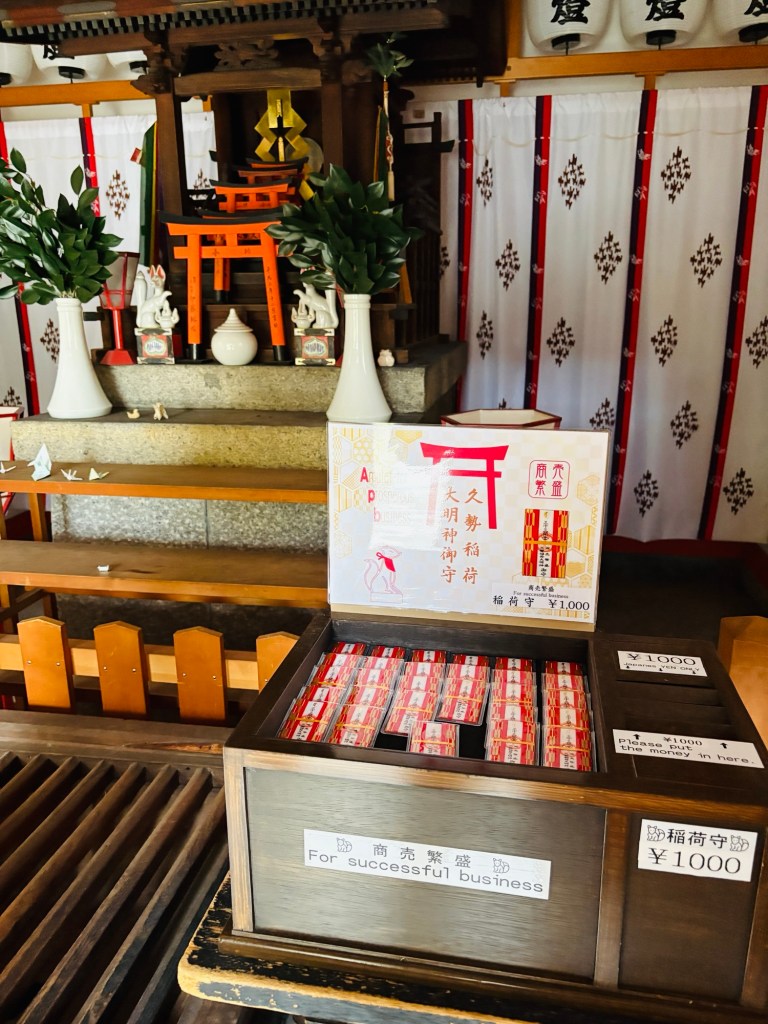
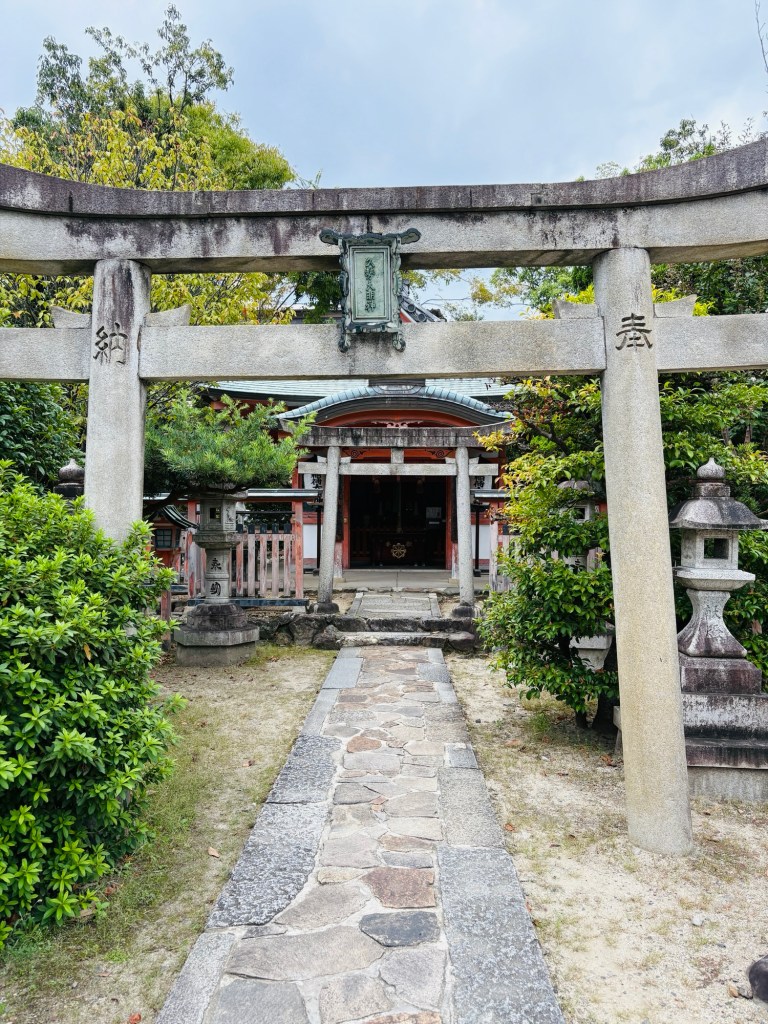
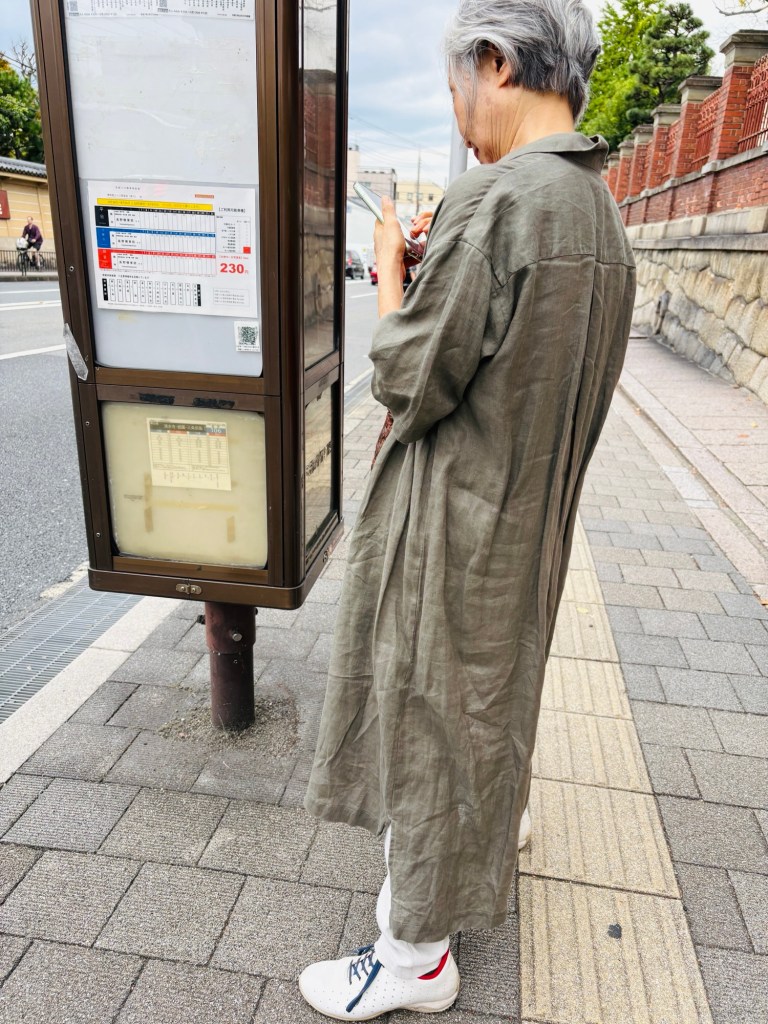
In the category of “things that have changed in Japan”: I’ve noticed that most women wear WAY more practical shoes than they did in the ‘80s. It used to stun me when I’d see women teetering around in heels, sightseeing. And another thing: women in their 60s and up dress more fashionably and practically.

When we lived in Japan, women would often flush public toilets when they peed so no one would hear them. Now many toilets have electronic options…some are automatic! Cracks me up! Heaven help us if another woman, no less, hears me pee! 😂😂

A happy first day in Kyoto. Sorry to the woman who doesn’t like Buddhas, wherever you are!

 Every Day Is a Miracle