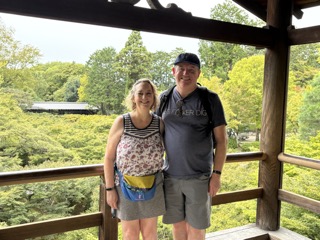
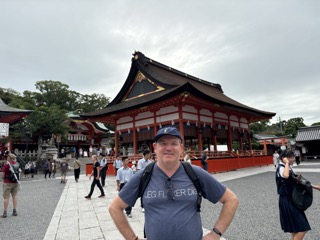
Equipped with our new strategy to avoid the worst of the crowds, we arose early again to get to Fushimi Inari Shrine before the hordes. It was already crowded but would have been even worse later in the day. Neither of us had gone to Fushimi Inari when we lived in Japan, so it was fun to discover something new.
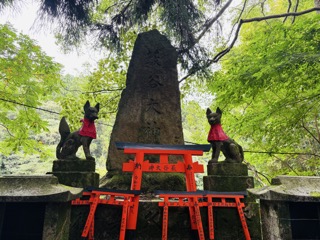
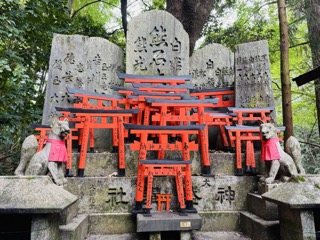
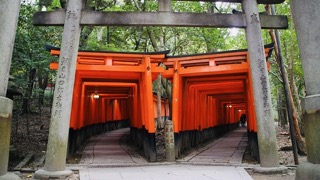
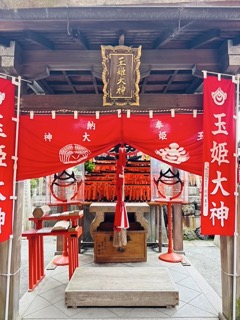
Fushimi Inari (伏見稲荷大社) is an ancient shine (predating the capital’s move to Kyoto in 794), famous for its thousands of torii gates. Trails lead from the torii gates into the wooded forest of the sacred Mount Inari. Fushimi Inari is the most important of several thousands of shrines dedicated to Inari, the Shinto god of rice. Because foxes are thought to be Inari’s messengers, many fox statues are found throughout the shrine grounds.
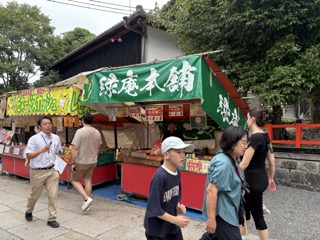
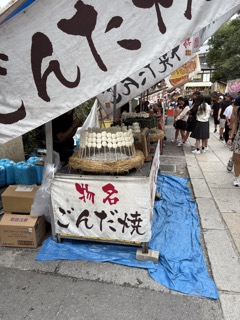
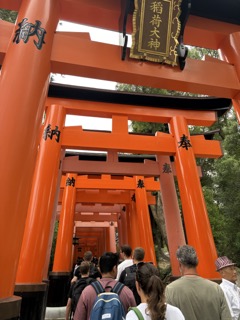
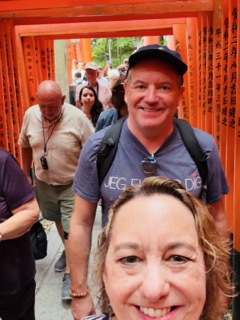
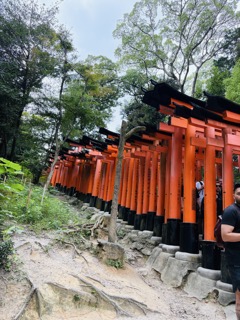
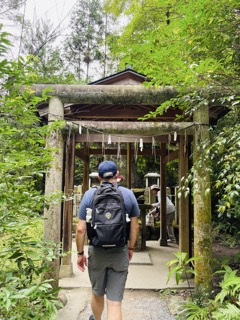
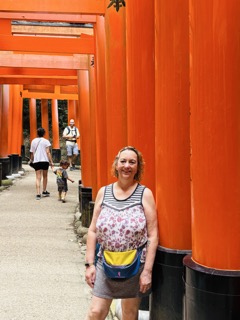
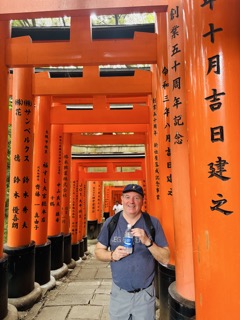
Walking through thousands of torii gates was a mesmerizing experience. The higher we climbed, the fewer people there were.
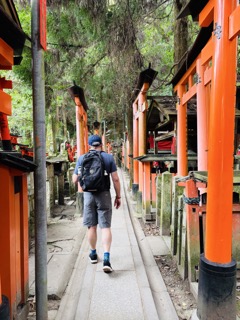
The shrine’s hiking trails start with two parallel rows of gates called Senbon Torii (“thousands of torii gates”).
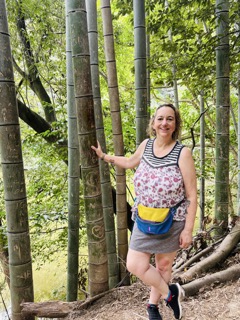
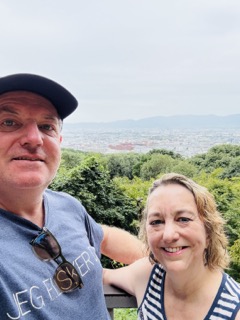
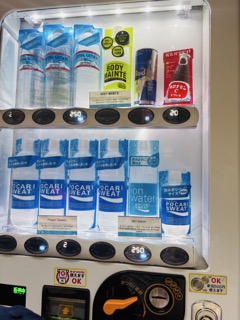
Even though we started out in the morning, by the time we had climbed up through all those toriis to the view of the city, we were drenched in sweat. The humidity in Japan is something else!
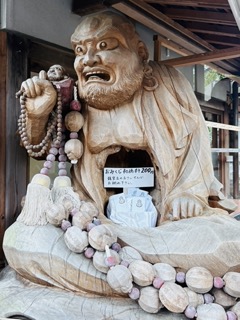
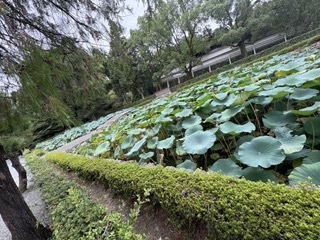
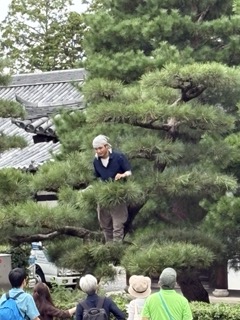
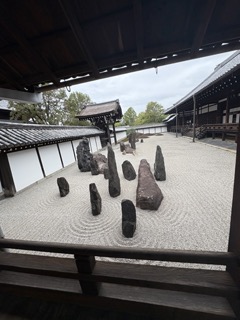
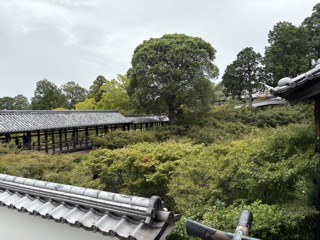
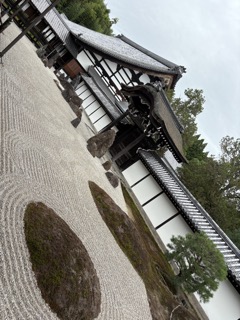
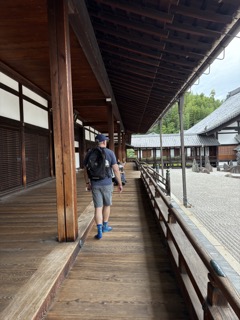
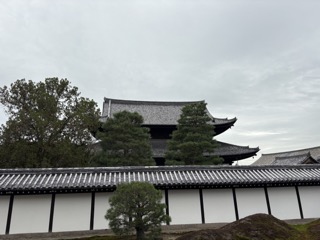
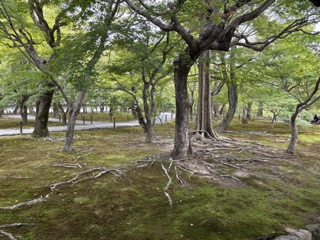
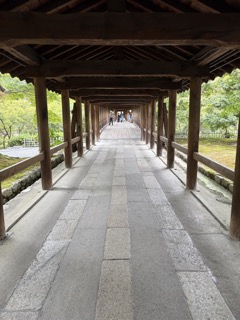
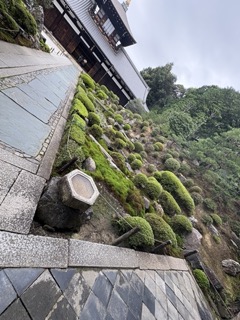
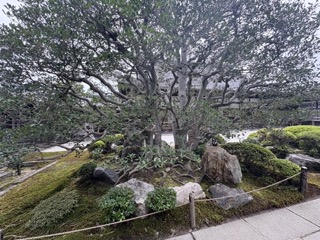
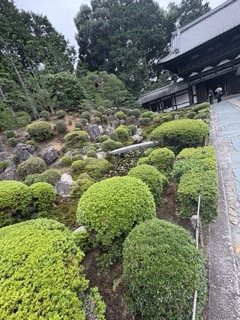
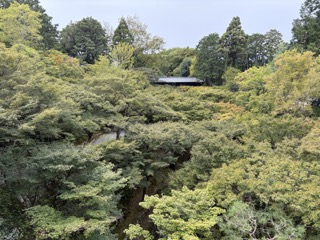
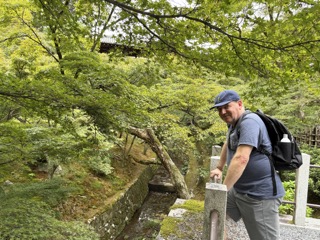
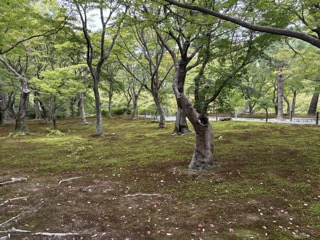
After Fushimi Inari, we opted for a less-visited temple, the nearby Tofukuji. I had asked ChatGPT for my Kyoto itineraries, pairing the places we wanted to visit with less-traveled spots. Tofukuji was a rare gem! We had no idea how much we would love it.
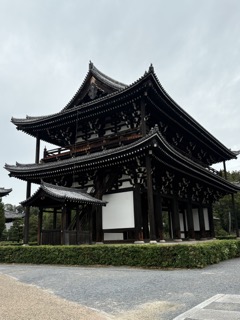
The temple was founded in 1236 by the powerful Fujiwara clan. Its name is a combination of the names of two great Nara temples also associated with the Fujiwara: Todaiji and Kofukuji. Tofukuji is one of the principal Zen temples in Kyoto.
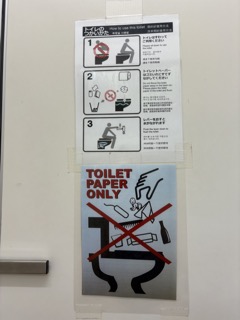
the toilet!
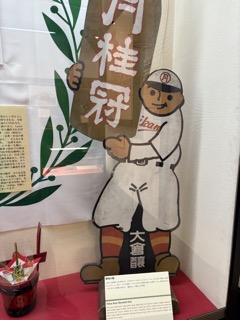
Next we went to the Fushimi sake brewery district and visited the Gekkeikan Sake Museum. We learned all about the history of sake and the company, and then we got to taste some sake!
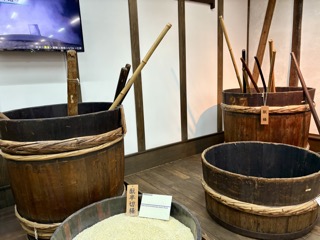
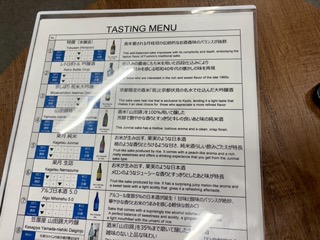
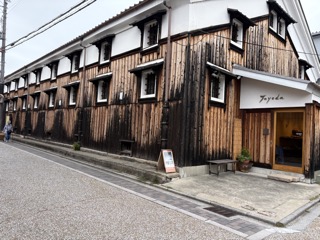
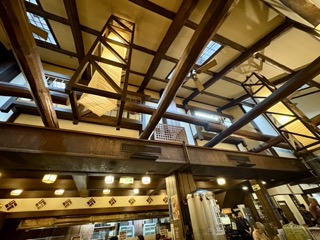
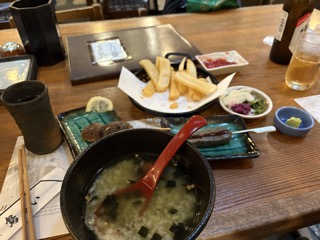
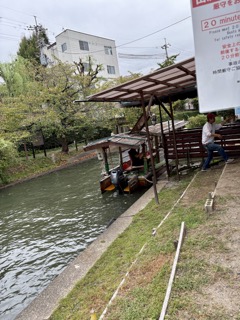
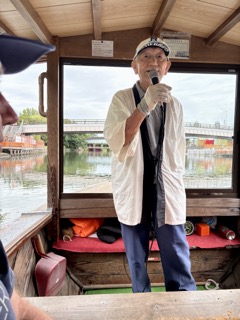
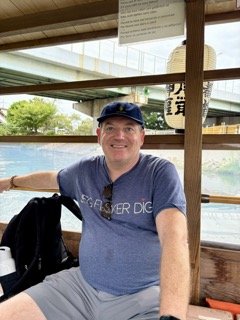
After lunch we took a little tour of the canal in an old-fashioned boat. It was quaint (and no foreign tourists!), but we felt it wasn’t the best value for money. The boat ride was only 20 minutes long with a 10-minute stop!
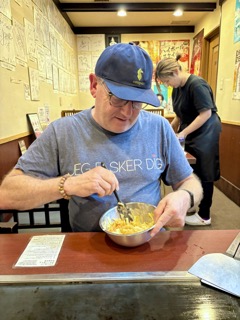
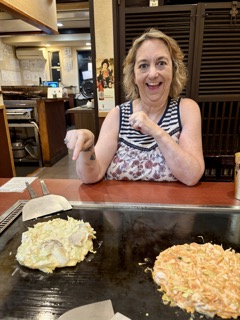
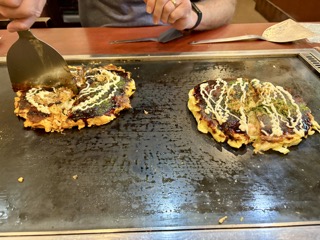
That evening I was determined to find an okonomiyaki place that would let us cook our own. Little did I know there was one around the corner from our hotel, Okonomiyaki Teppanyaki Arachan. Cooking my own okonomiyaki, after learning I wouldn’t be able to, was one of the high spots of the month! Small thrills, I guess!
Up super early the next morning to see Kiyomizudera, my favorite temple in Kyoto and now one of the most popular!

 Every Day Is a Miracle