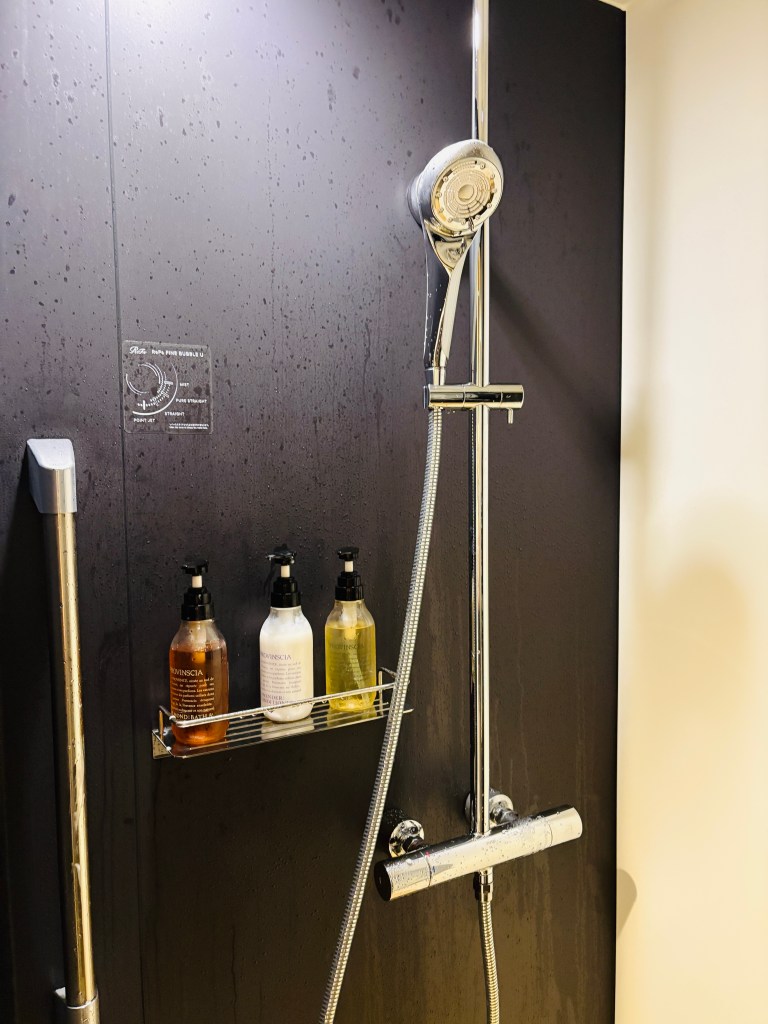
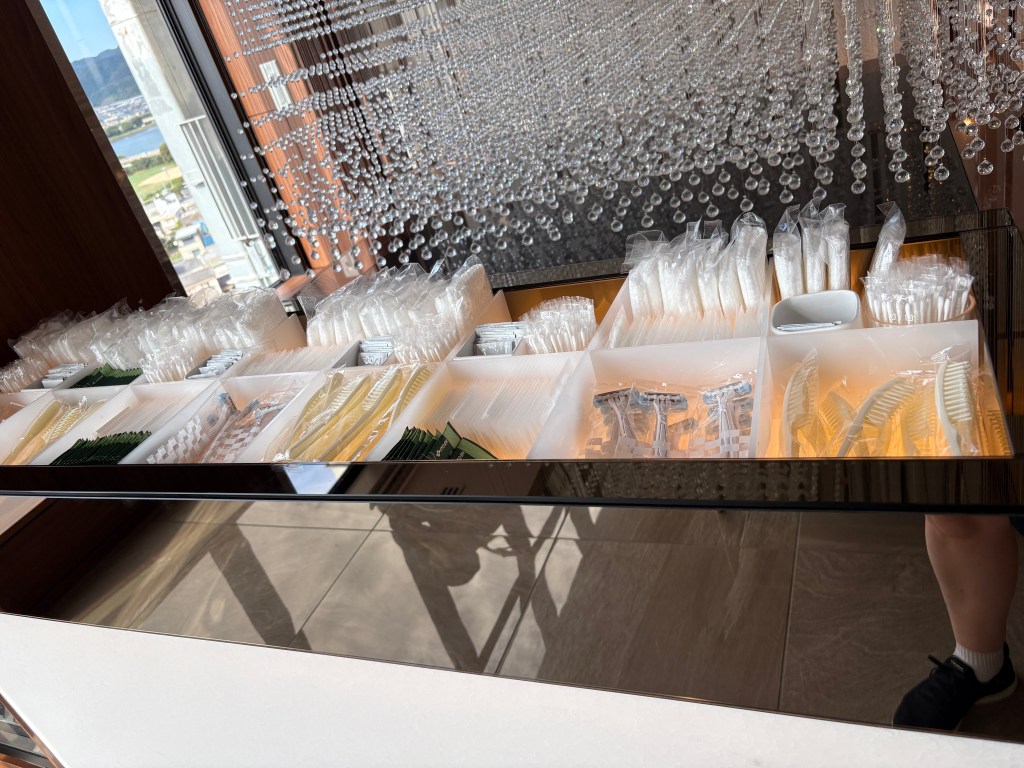
First of all, let me wax about Japanese hotels. We stayed in nine hotels and one VRBO in Japan, as well as one in Hong Kong. The hotels averaged from $82-$193, and they were all top notch. Those prices included incredible breakfast buffets in a few locations. The amenities were fantastic: every hotel (including the Hong Kong one) had top-notch toiletries, several had pajamas, and most had individually wrapped amenities such as toothbrush and paste, comb, washcloth, razor, etc. The water pressure and showers were amazing as well.

Before heading to Wakayama, we went on the search for a new, slightly bigger (and unbroken) suitcase for Mike…back to Dohtombori we went! We found one at Don Quixote, a massive tax-free store, and fortunately there was a garbage bin outside so he could transfer all his stuff and dump his old suitcase. It’s very difficult to find garbage cans, much less bins, in Japan. People carry their trash around until they go home!


We then went to Shinsaibashi, the area where I used to teach at a private language school for two years. Just a block from my school was the sky-high Sony Tower, along with a tower across the street housing many restaurants. The Sony Tower is no longer, but when we approached the other tower, I was DELIGHTED to see that my favorite Mexican restaurant was STILL THERE: El Pancho, and I even remembered it was on the 8th floor! We decided we had to have lunch there!


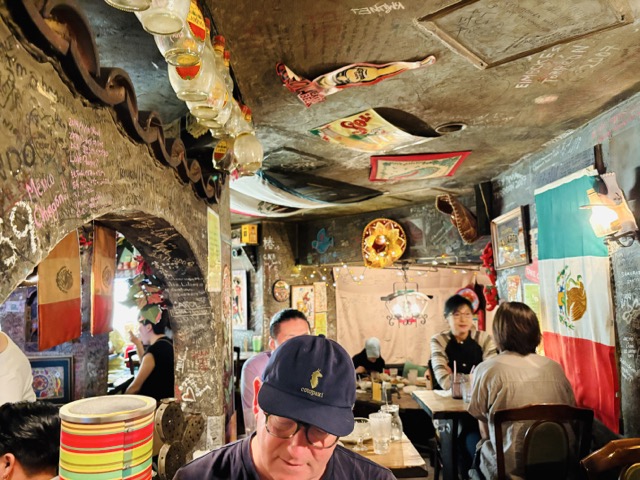

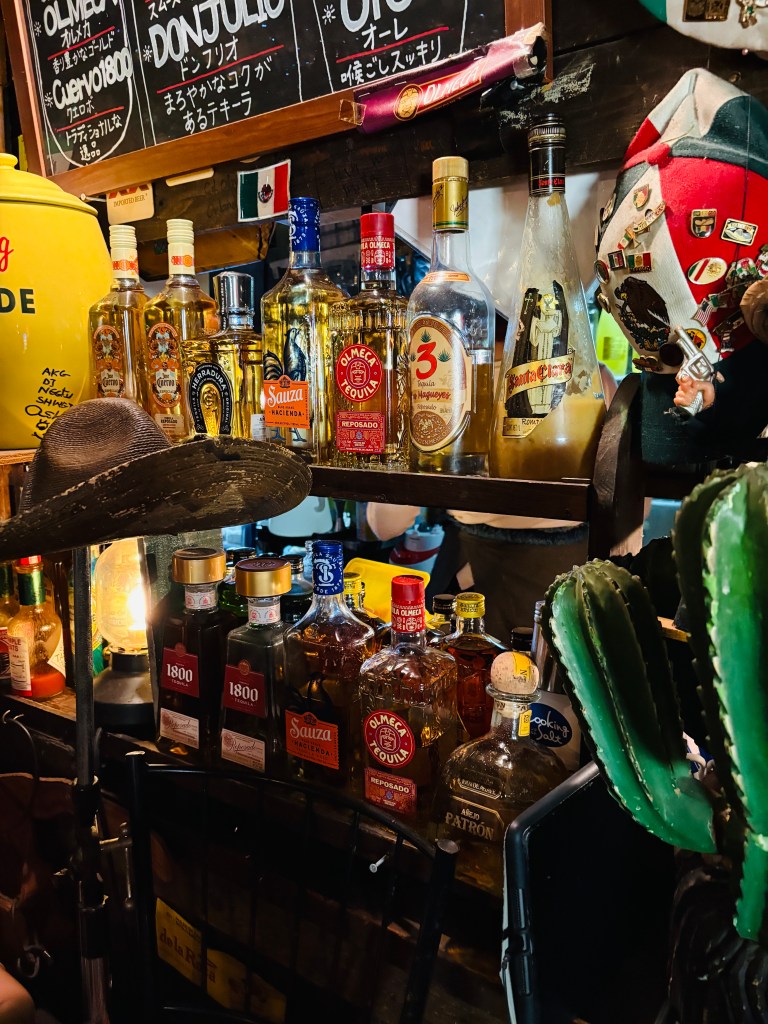
I frequented this restaurant on many a lunch hour, and Mike remembers going there after hours too for pitchers of margaritas! In the ’80s, Mexican food was rare in Japan, and the restaurant was not very busy. Now it’s one of the hottest places in Osaka! They informed us we could not stay longer than 90 minutes, a common practice for busy restaurants in Japan.

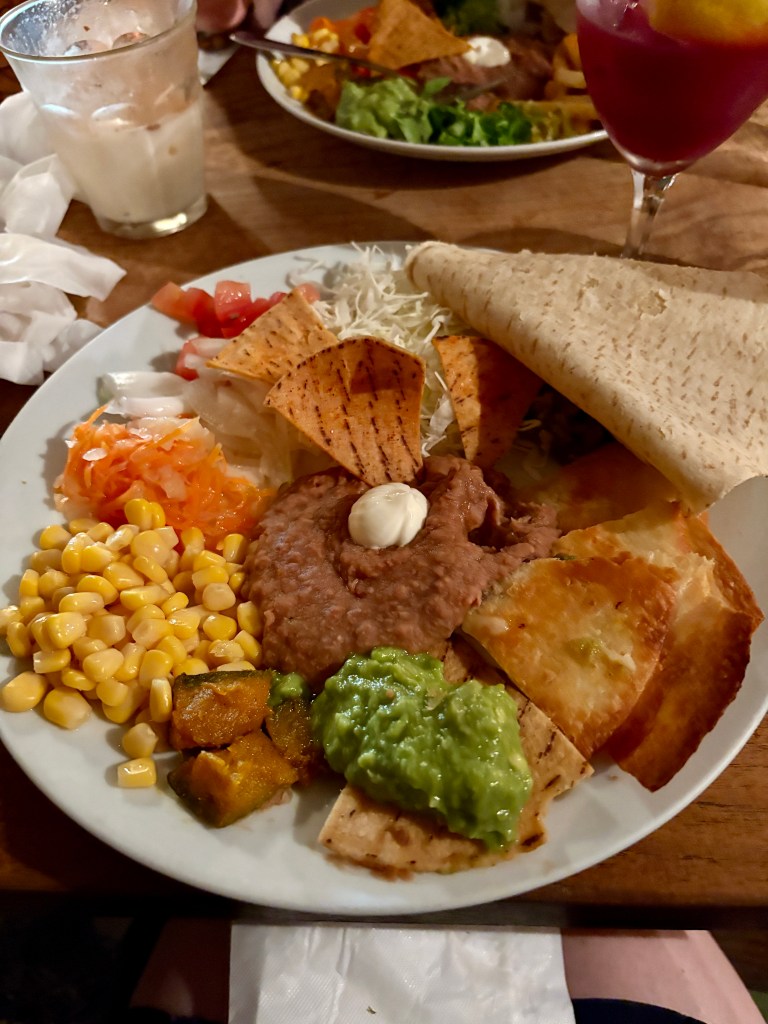
Then we went to Namba Station, one of the major hubs, to take the train to Wakayama. Namba is primary in my memory of when we started dating. We met in January 1987, and got together in April 1987. Then Mike had an English friend coming for a month, so we fell in love through letters. After the friend left, I went into Osaka for the weekend, and I’ll never forget coming down the long escalator and seeing this handsome Englishman in a suit, waiting at the bottom of the escalator. (Then commenced the makeout session on Dohtombori Bridge, which I wrote about earlier.) Namba is HUGE and fancy now.
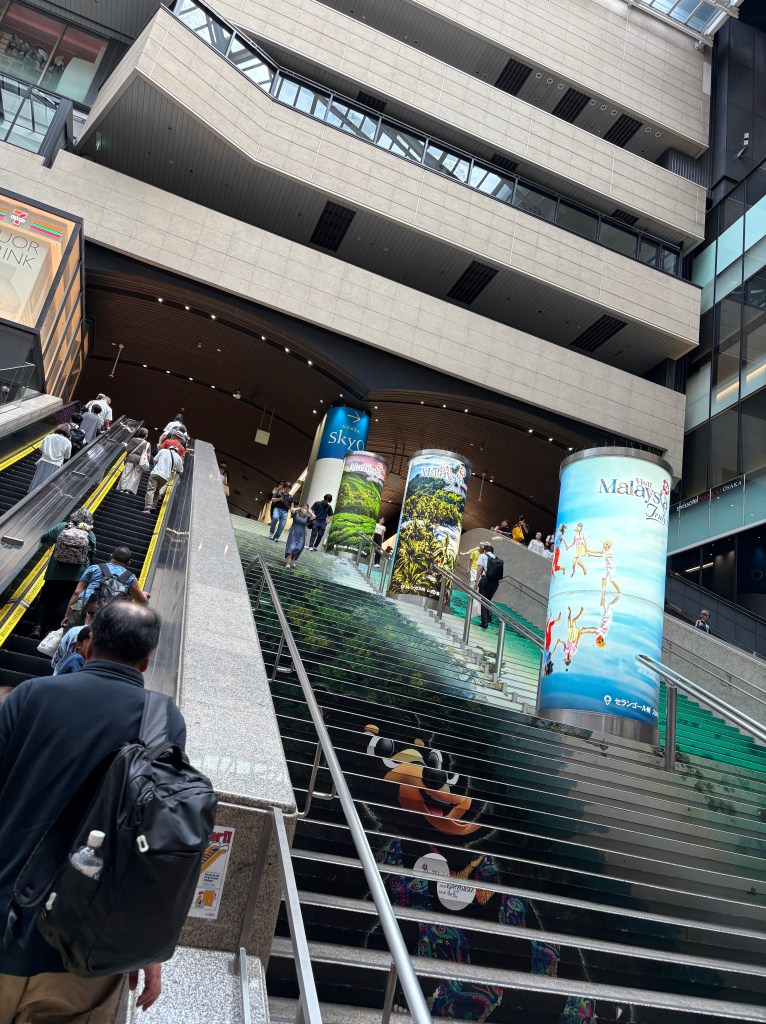


Wakayama City is about an hour from Osaka, and I made the trip once or sometimes twice a week during that first year in Japan.
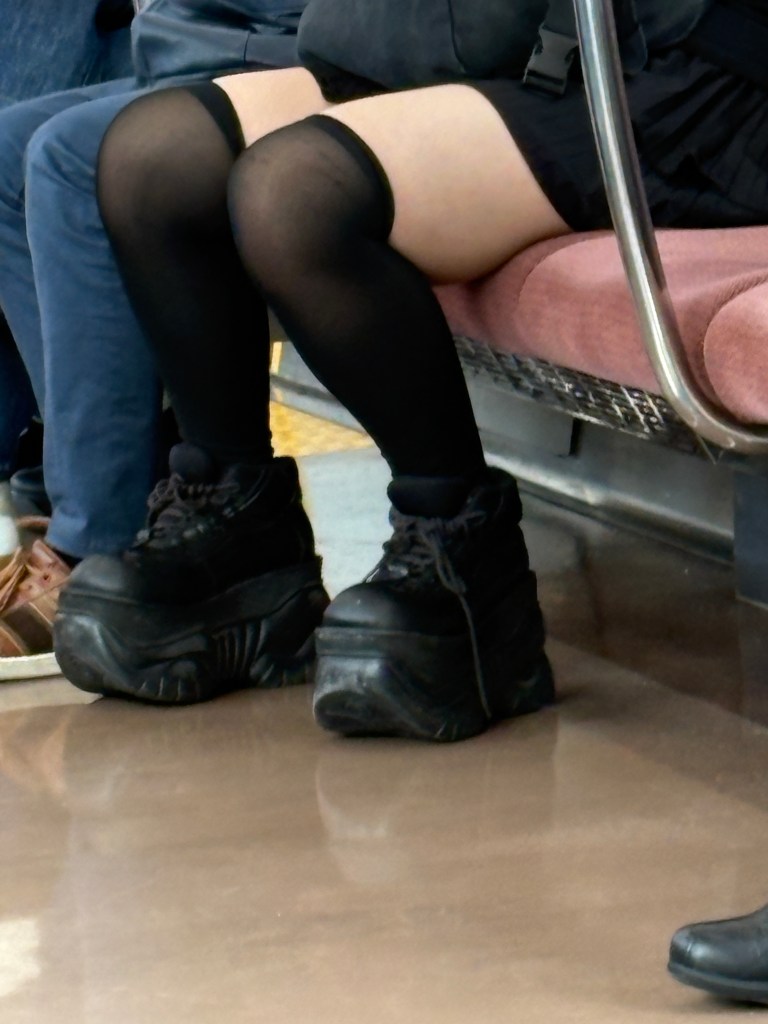
Have I told you how thick wedge soles are all the rage for women?
It was amazing to return to Wakayama, the first year of my experience living in Japan. It’s a beautiful small city on the water. The Japanese were stunned that we were headed to Wakayama; they’ve always called it “inaka,” rural or in the country.
We splurged for a hotel in the train station with sweeping views:
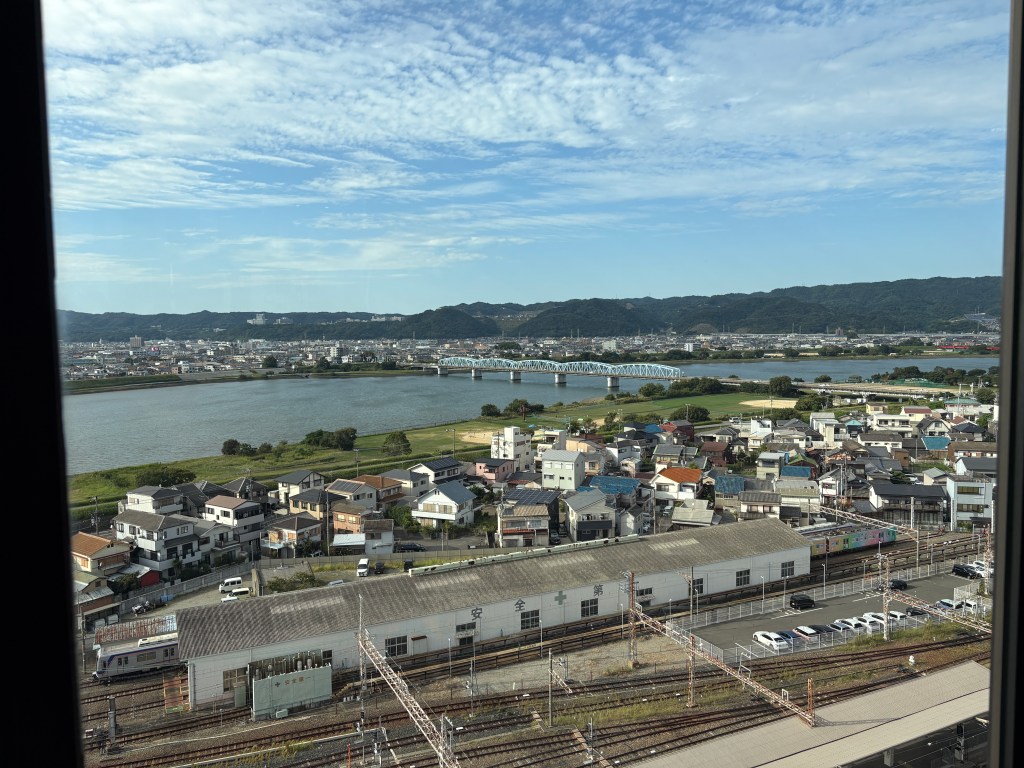
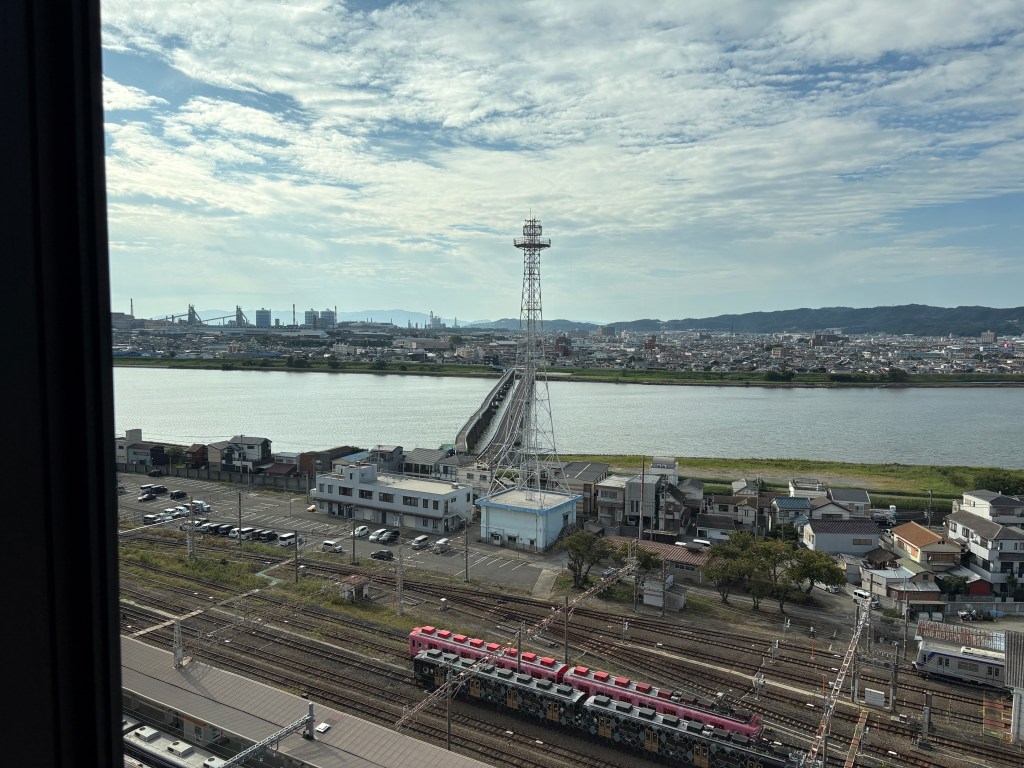

First we headed to the area where I used to live, about a 25-minute trip on the bus. The Wakayama traffic was way busier than it was in the 1980s, and the central part of the city seemed much more energetic. Sadly, the area where I used to live was very run down.

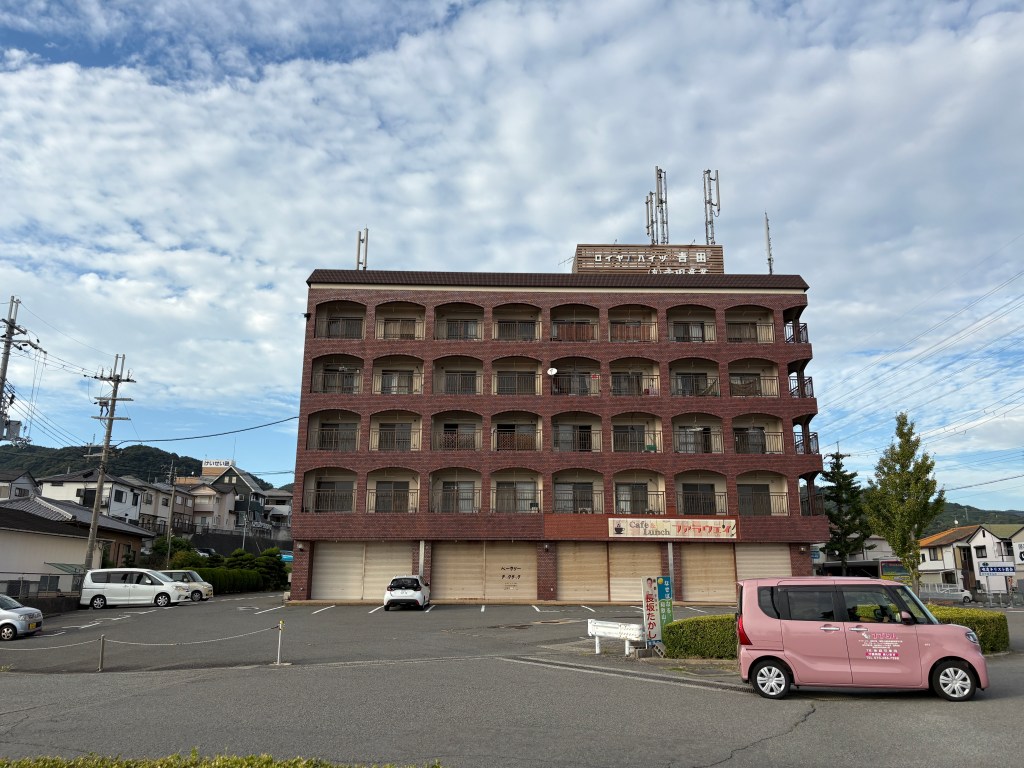


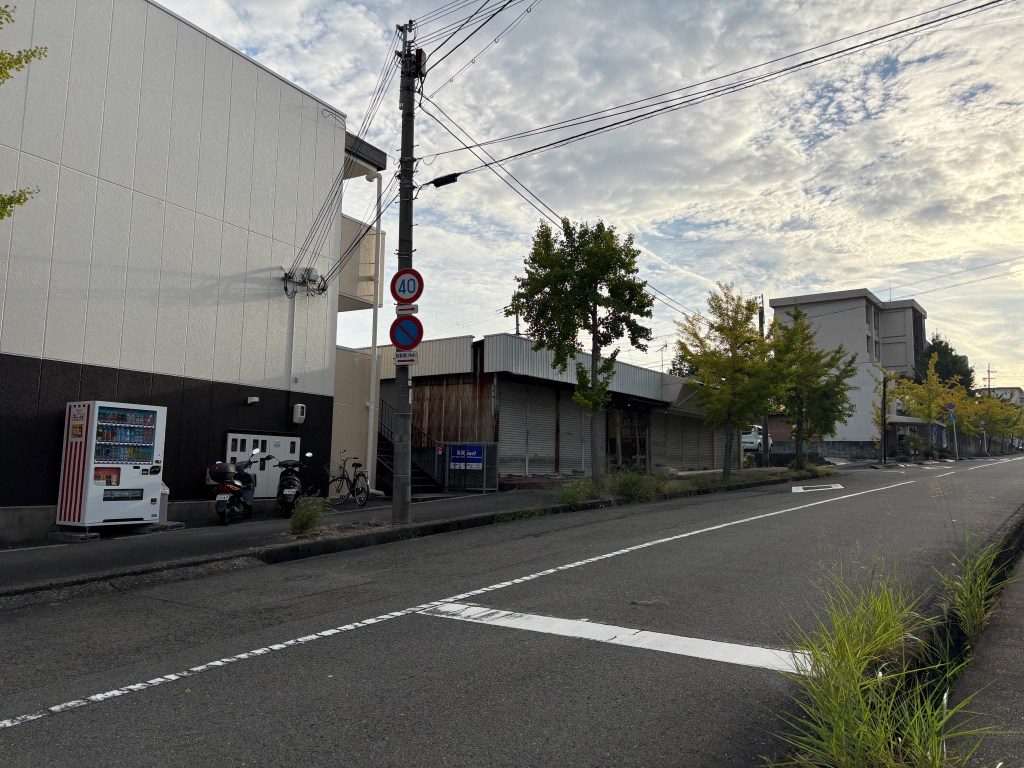
Read more about my time in Wakayama. After living for a month crammed into a flat with a bunch of women, a few of us moved into a new flat up the hill…and it was still there!


Wakayama was a great place to start my first time abroad, ever.
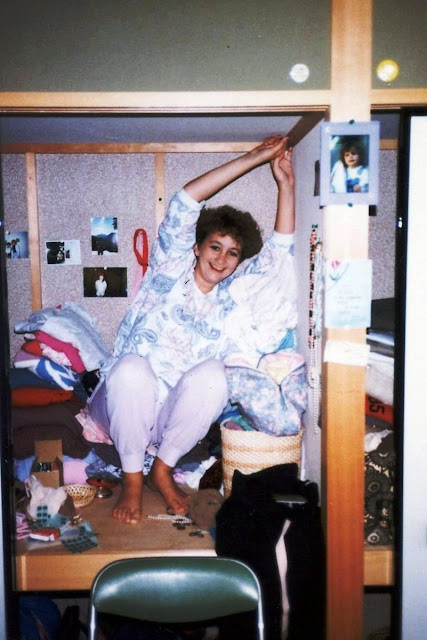

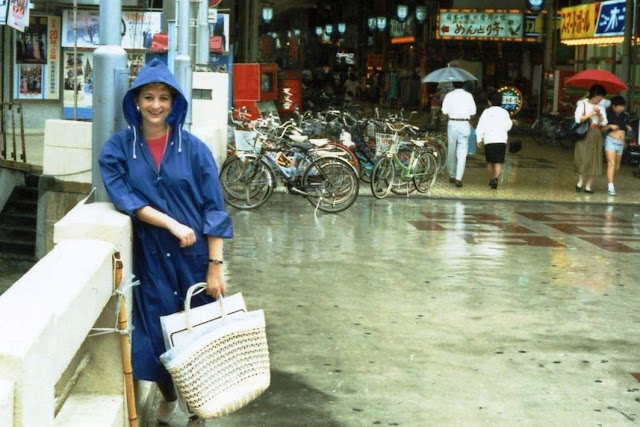
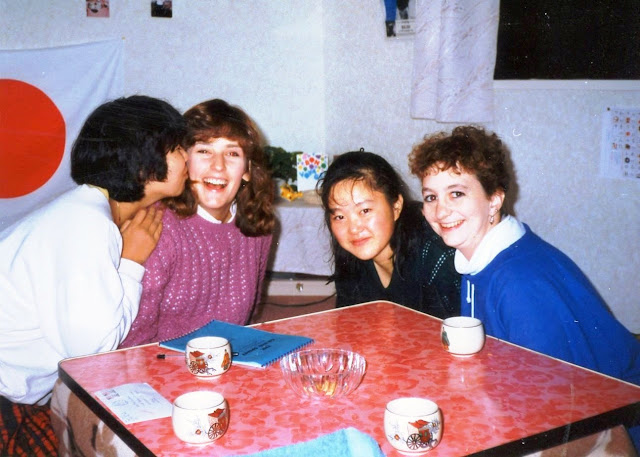

Our place was an idyllic area, surrounded by rice paddies and chirping frogs at night.


I was sad to discover all the rice paddies are gone, replaced by more housing.
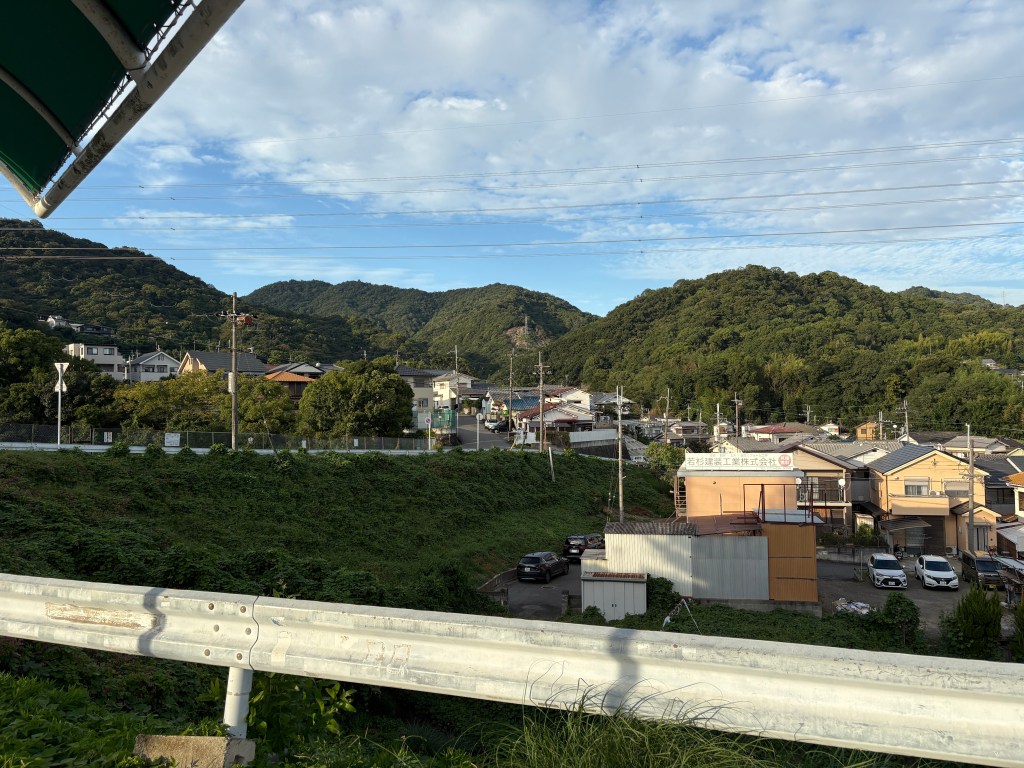
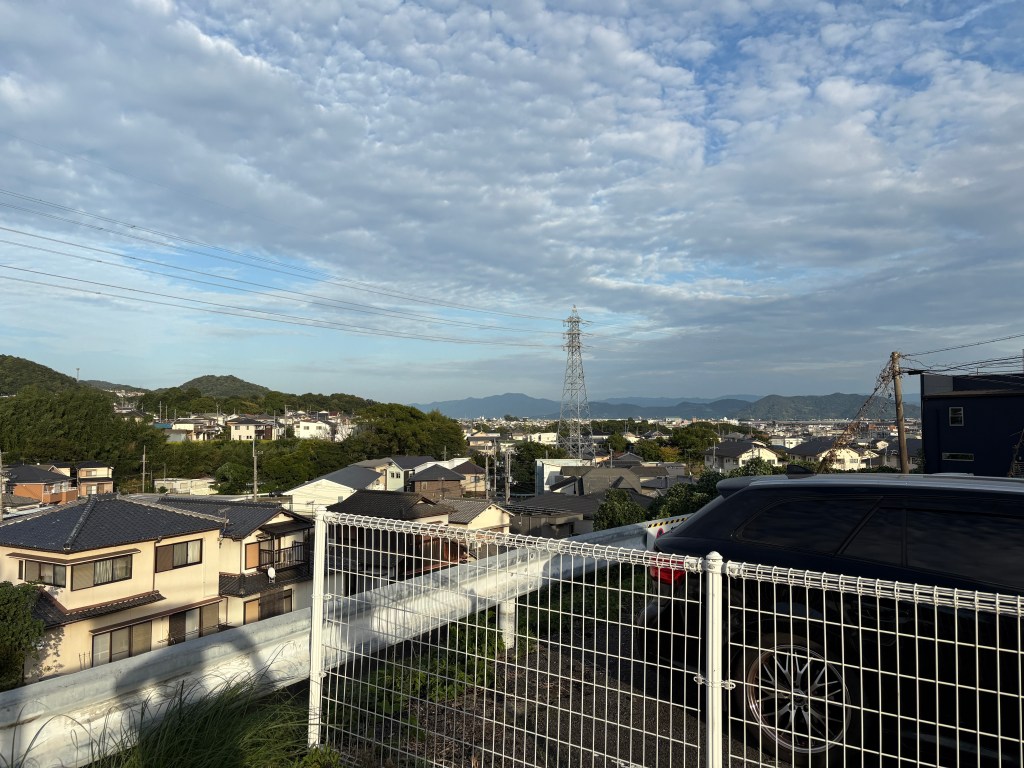

But check out those mountains ringing the landscape! It was a lovely area.
During the second half of my first year, I had a motor scooter, which I bought from one of the departing English teachers. I’d ride it to and from the station, and also to the beach. I wore a helmet, but at the time I didn’t have health insurance. I loved that scooter, even though it was more than a bit dangerous for me to ride it at night. The Japanese know how to drive alongside bicycles and motor scooters…but if one of my kids did this, I’d be freaked out!
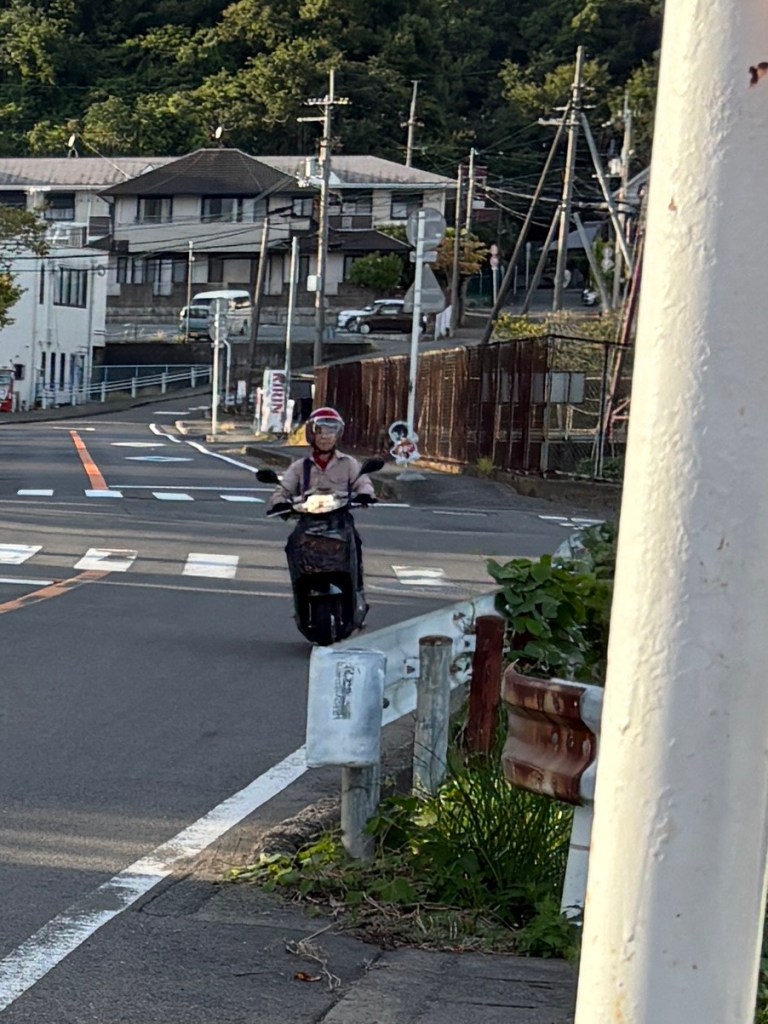
We enjoyed going to Isonoura Beach or the fishing town of Kada, and one time Mike and I rode motor scooters there. I have many fond memories of going to the beach with Mike and my friends during the last few months in Wakayama.
Isonoura was not much of a beach in comparison to Oregon, but it was beloved by surfers (and even more so now). I found it funny to watch Japanese surfers, because the waves are not very big! They take it seriously though. Some of the other English teachers at our school befriended some young surfers, and I even kissed one of them (before Mike!).
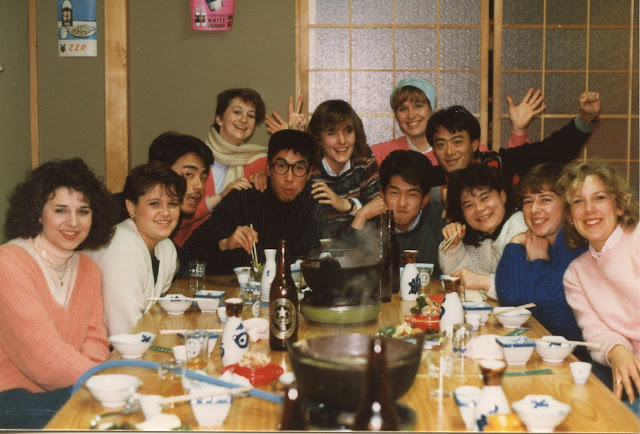
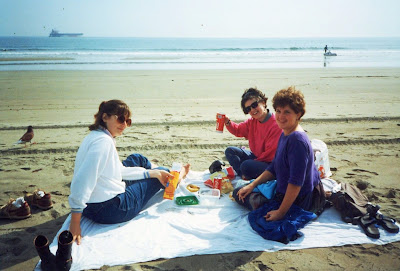
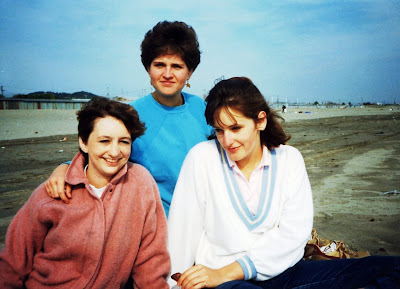
I cherished memories of the quiet fishing town, Kada, especially a hot date there on the beach with Mike! So back to Kada we went. They have a lovely and unique shrine for relief from “women’s issues,” infertility, miscarriages, etc., and to remember and honor lost babies. Unfortunately the shrine was closed by the time we got there that day. Oh well! At least I have memories and these photos from 1987:


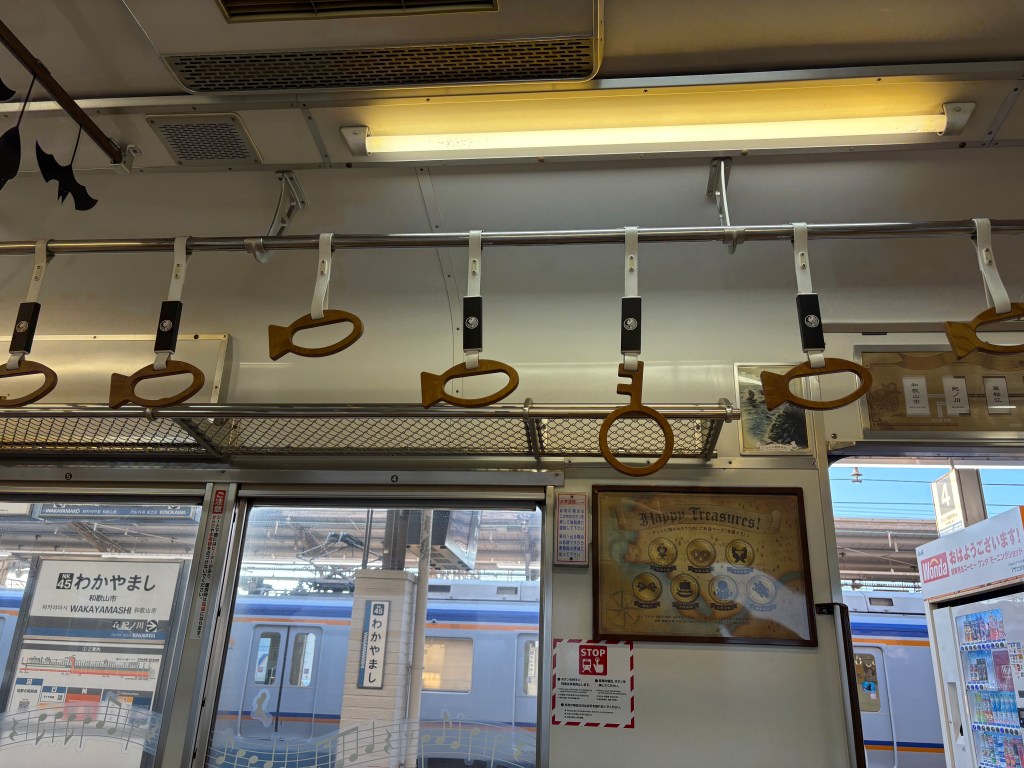
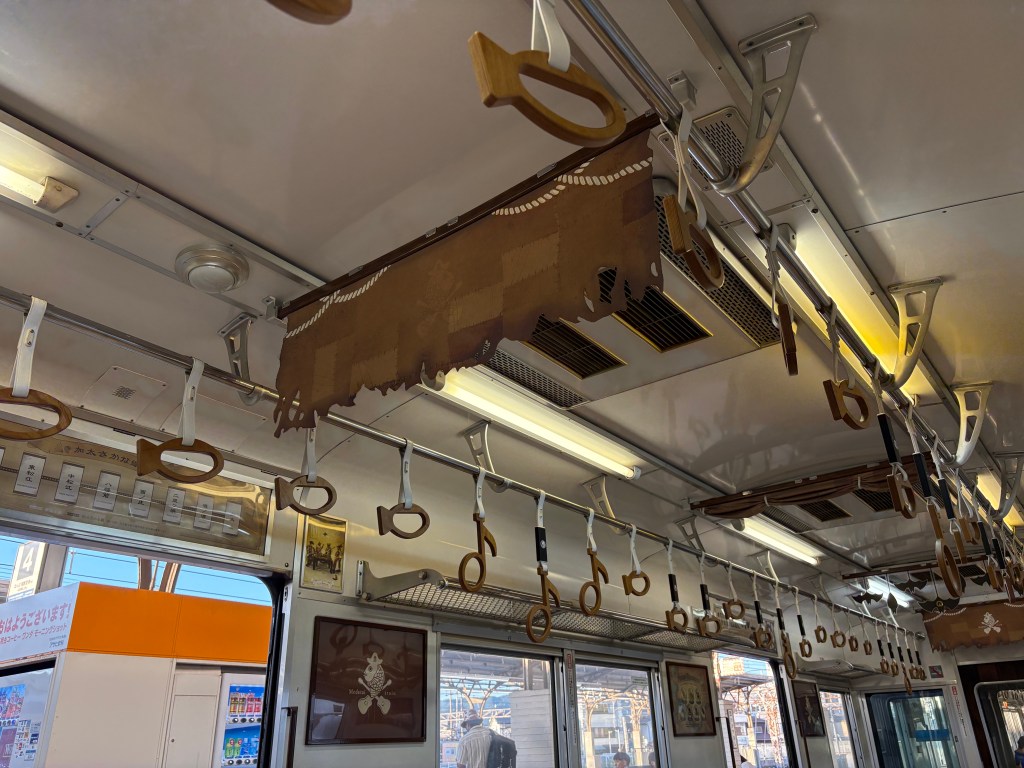
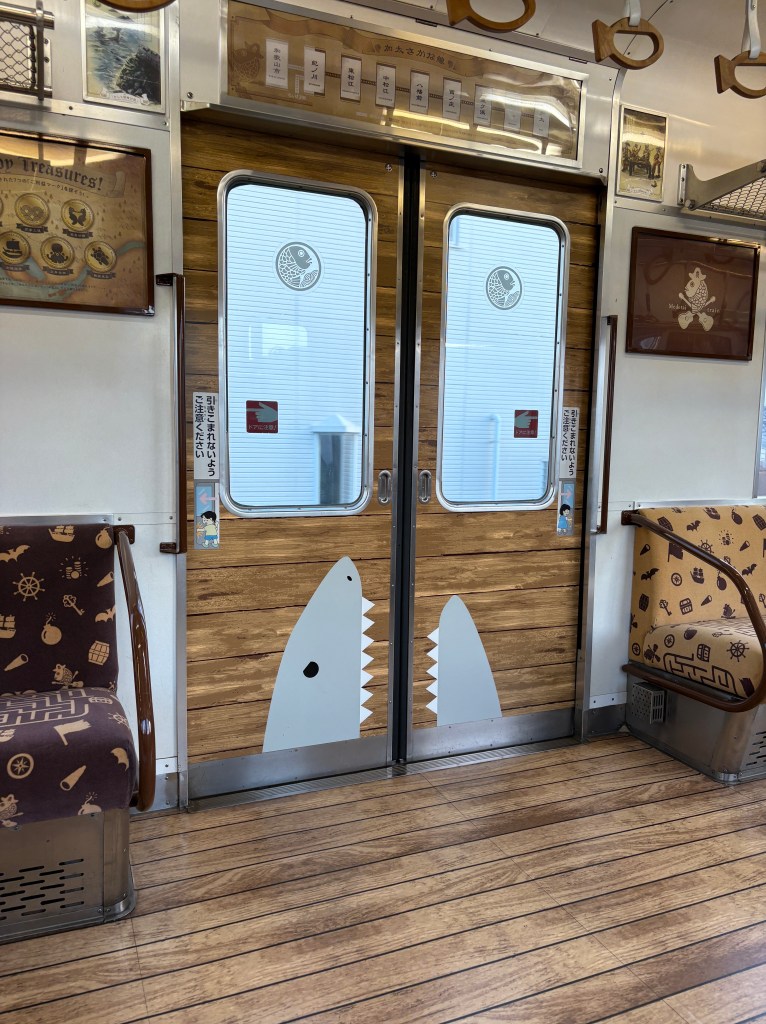
The little train to Kada was adorable, with a seaside theme! As you can see, we were nearly the only ones on it!
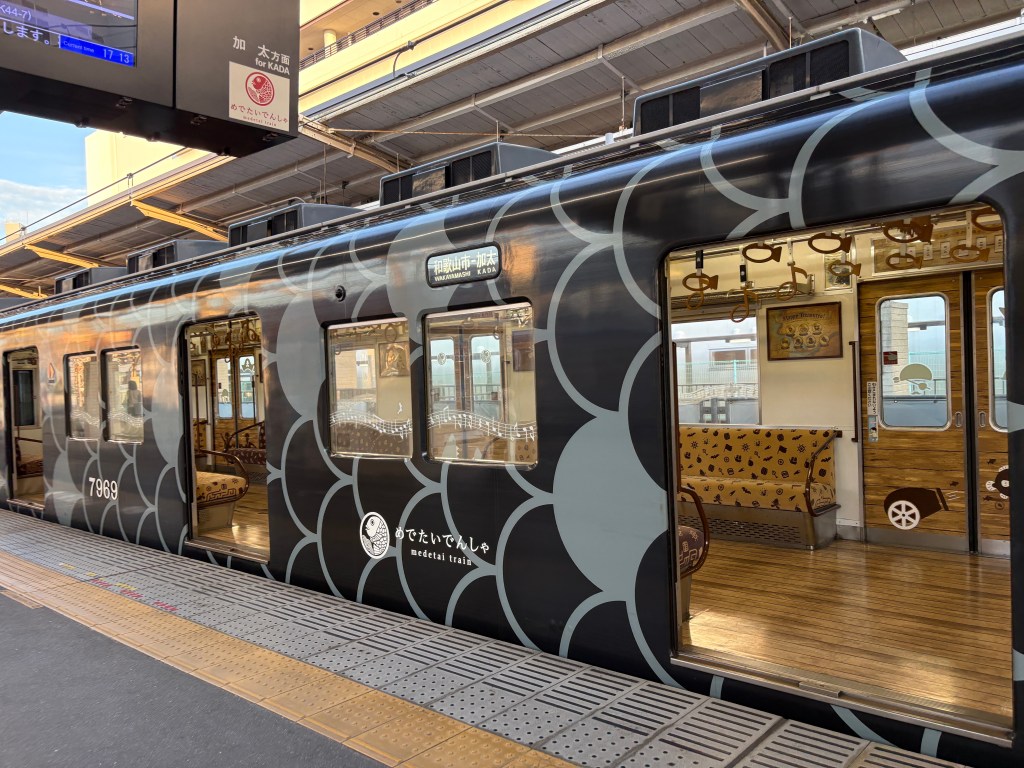

Kada has a resort now somewhere, but NOT where we went. We had a 30-minute walk from the train station to the beach, and what we saw was so sad. Tons of abandoned old Japanese houses and shuttered-up shops.
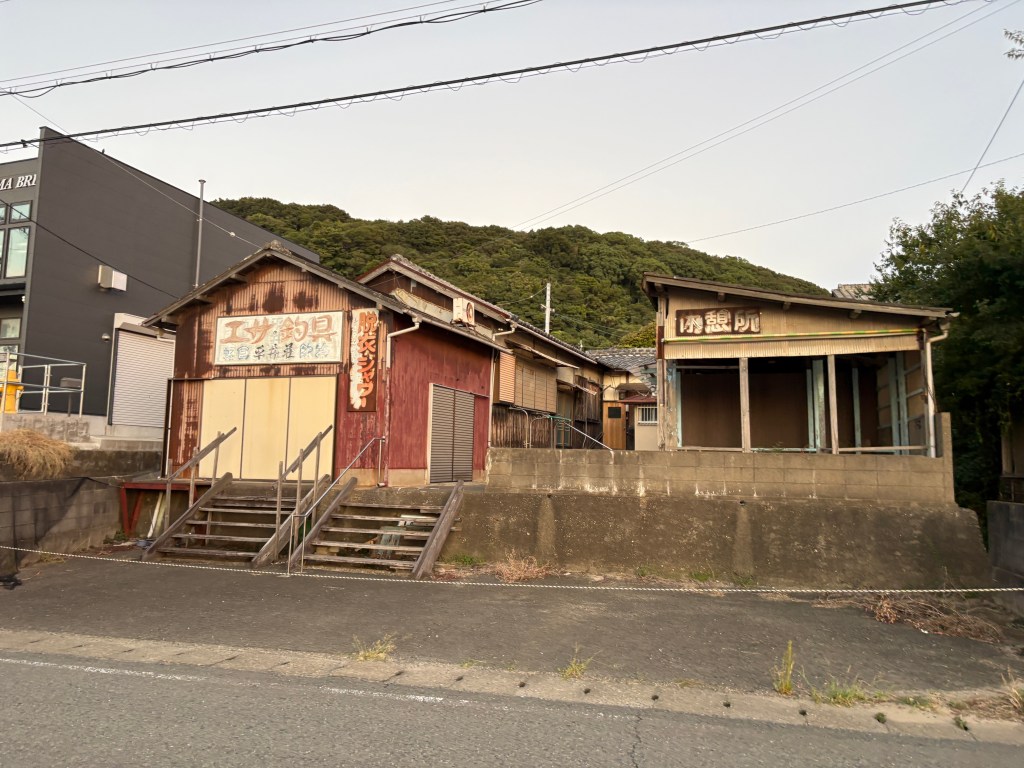

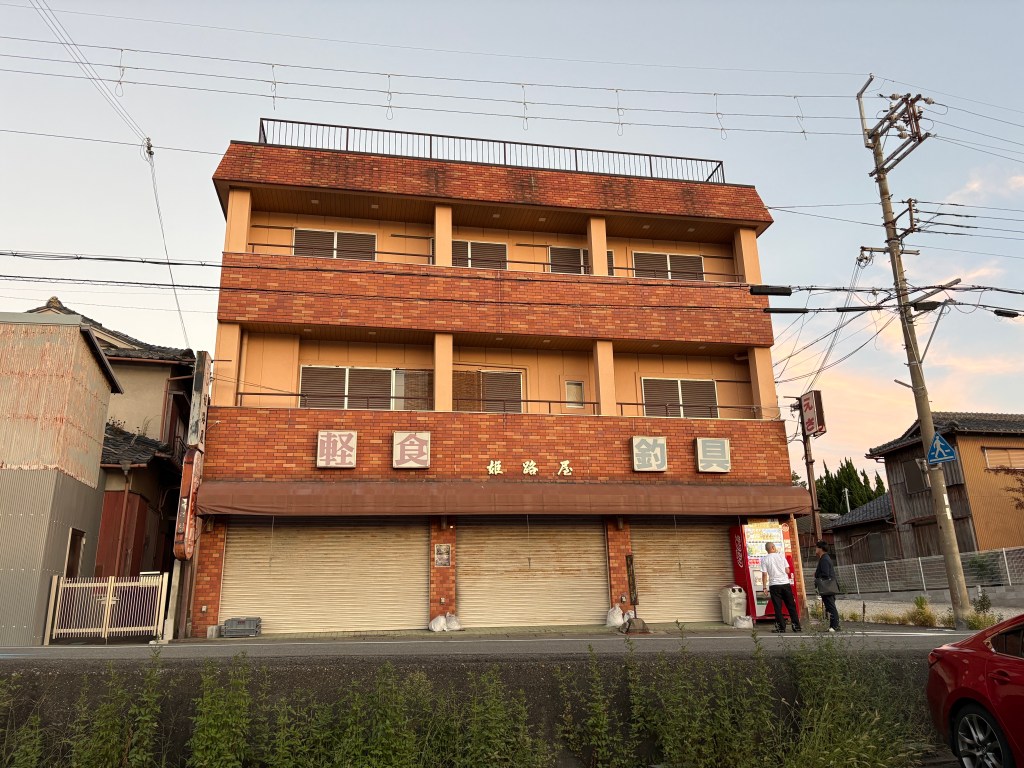
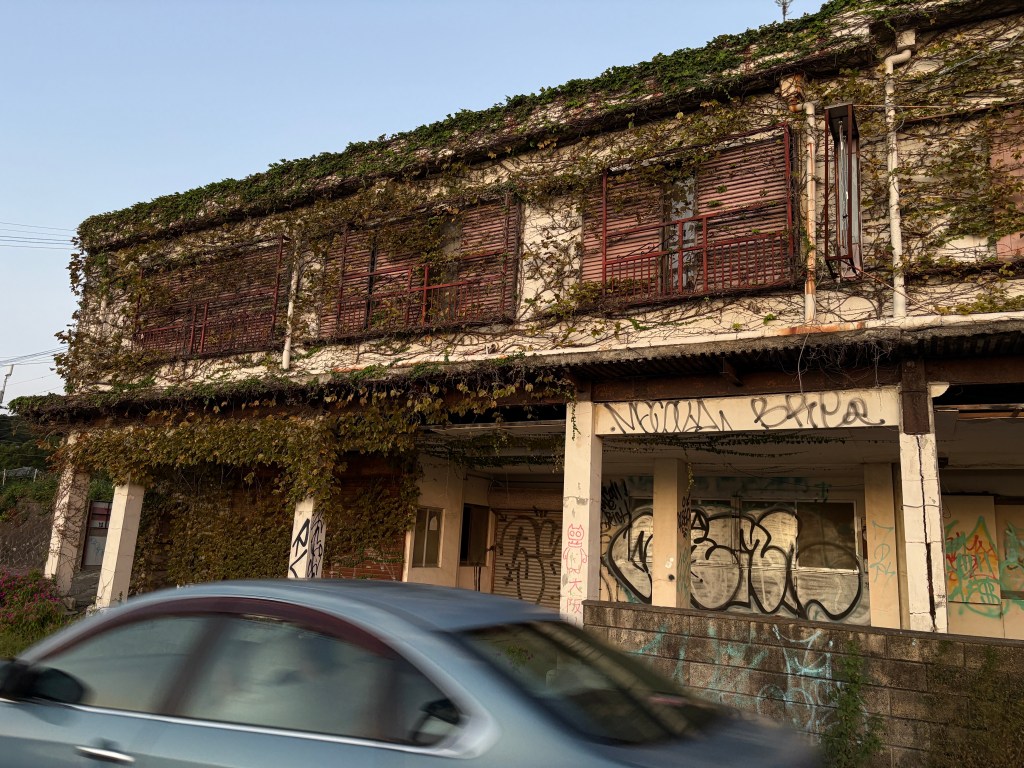
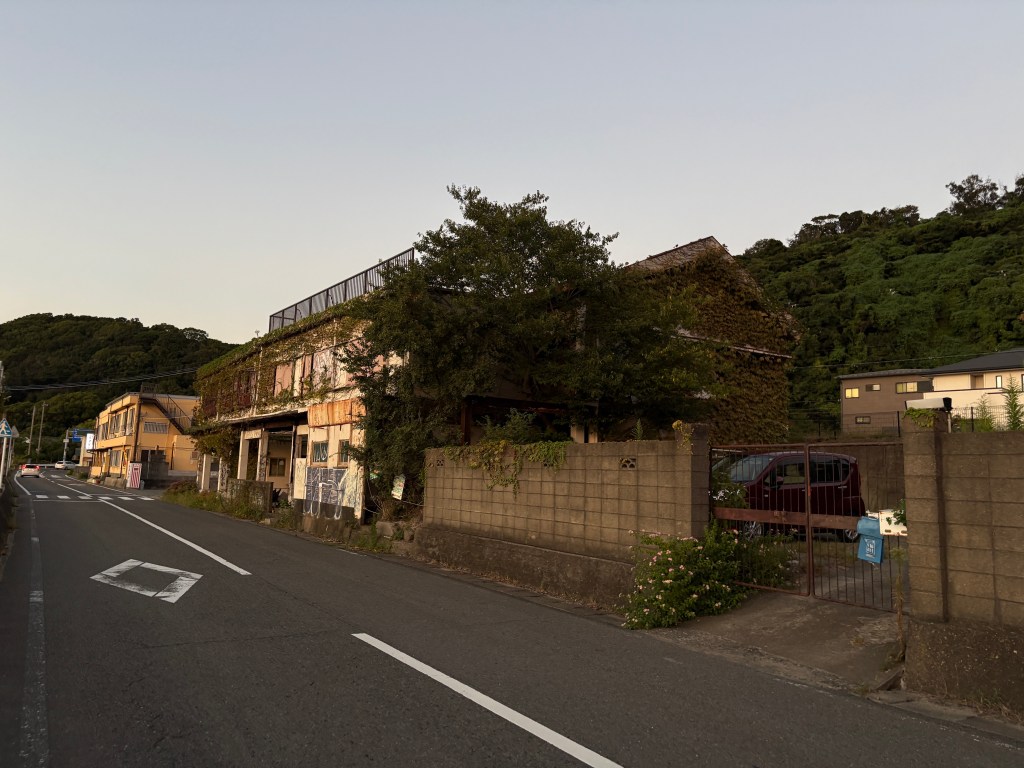
You might have heard about Japan’s abandoned houses…well, Wakayama Prefecture is one of the areas with the highest number of akiya, abandoned properties. Terribly sad.
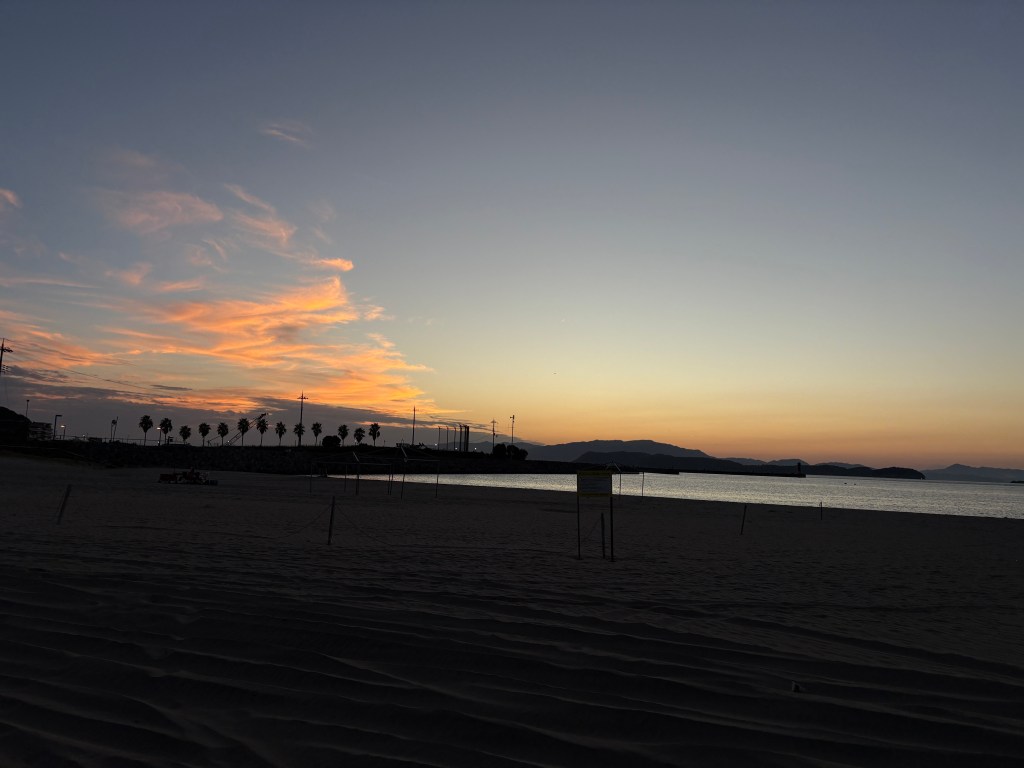
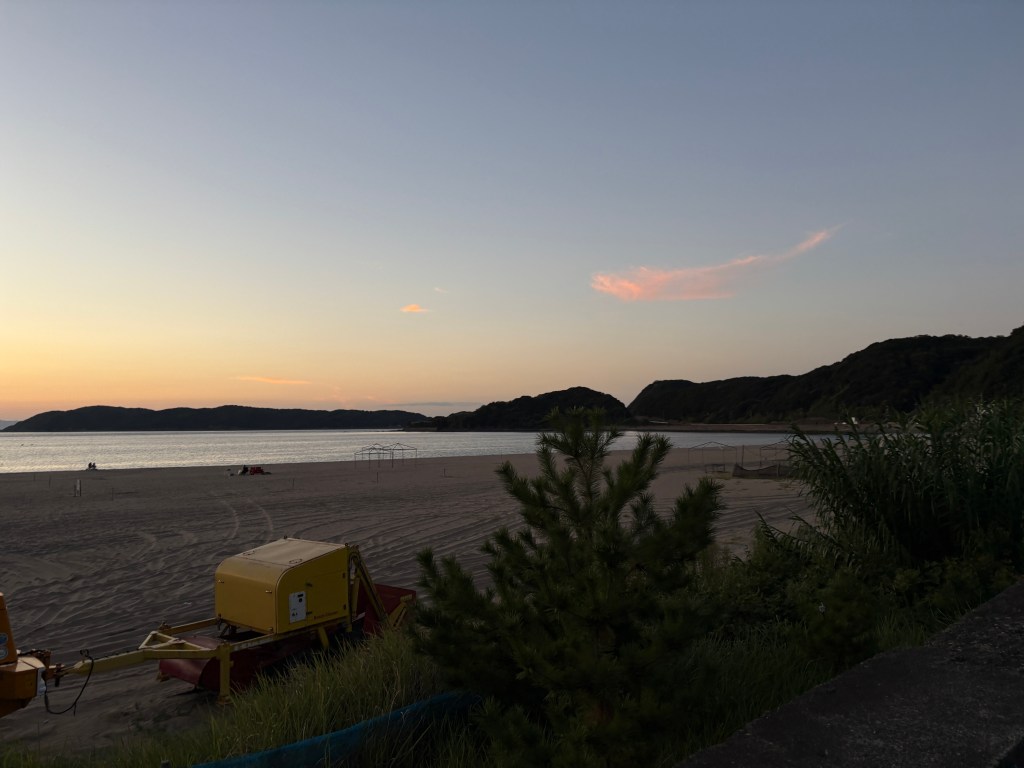
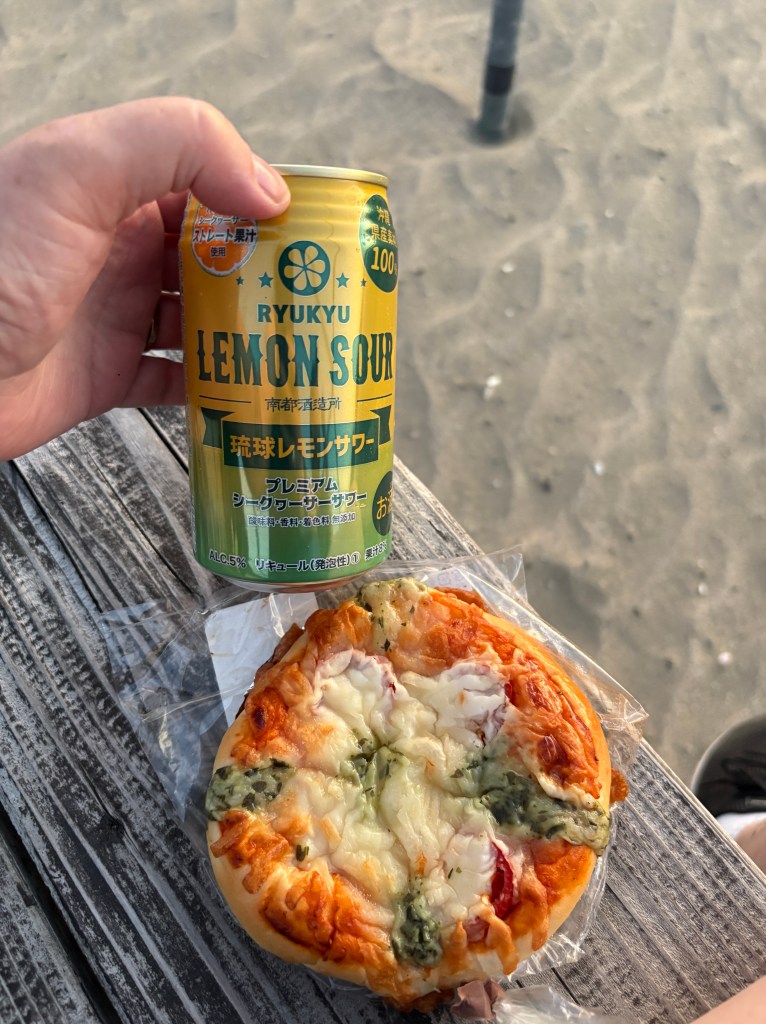
The beach was nearly abandoned, and we found a spot to eat our snacks and reminisce.




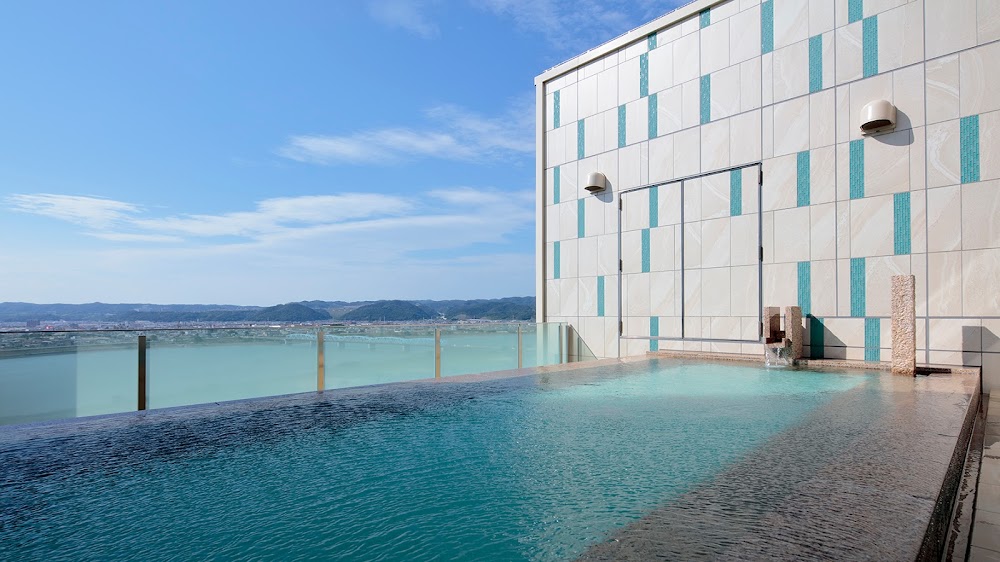
That night we visited the sky spa in the hotel, which were separate onsen facilities for men and women (Japan is extremely gender binary…). I’d frequented a few public baths when I lived in Japan, and it always made me a bit squeamish. It was easier going with other foreigners. I remember some nosy older Japanese women pointing at us and gawking, not a great memory!! But the sky spa looked amazing, so we gave it a try.
Tattoos in Japan are associated with yakuza (gangsters) and most onsen strictly forbid tattoos (even though mine are innocuous!). At our hotel, they allowed people with tattoos to visit after midnight! I had brought some bandages to tape up my tattoos, but of course I forgot to do that! So my time in the spa was limited by my paranoia that someone might report a tattooed woman in the spa. But it was lovely overlooking the night skyline.

The next morning we partook in the lovely buffet breakfast in our hotel…and then headed to Wakayama Castle.

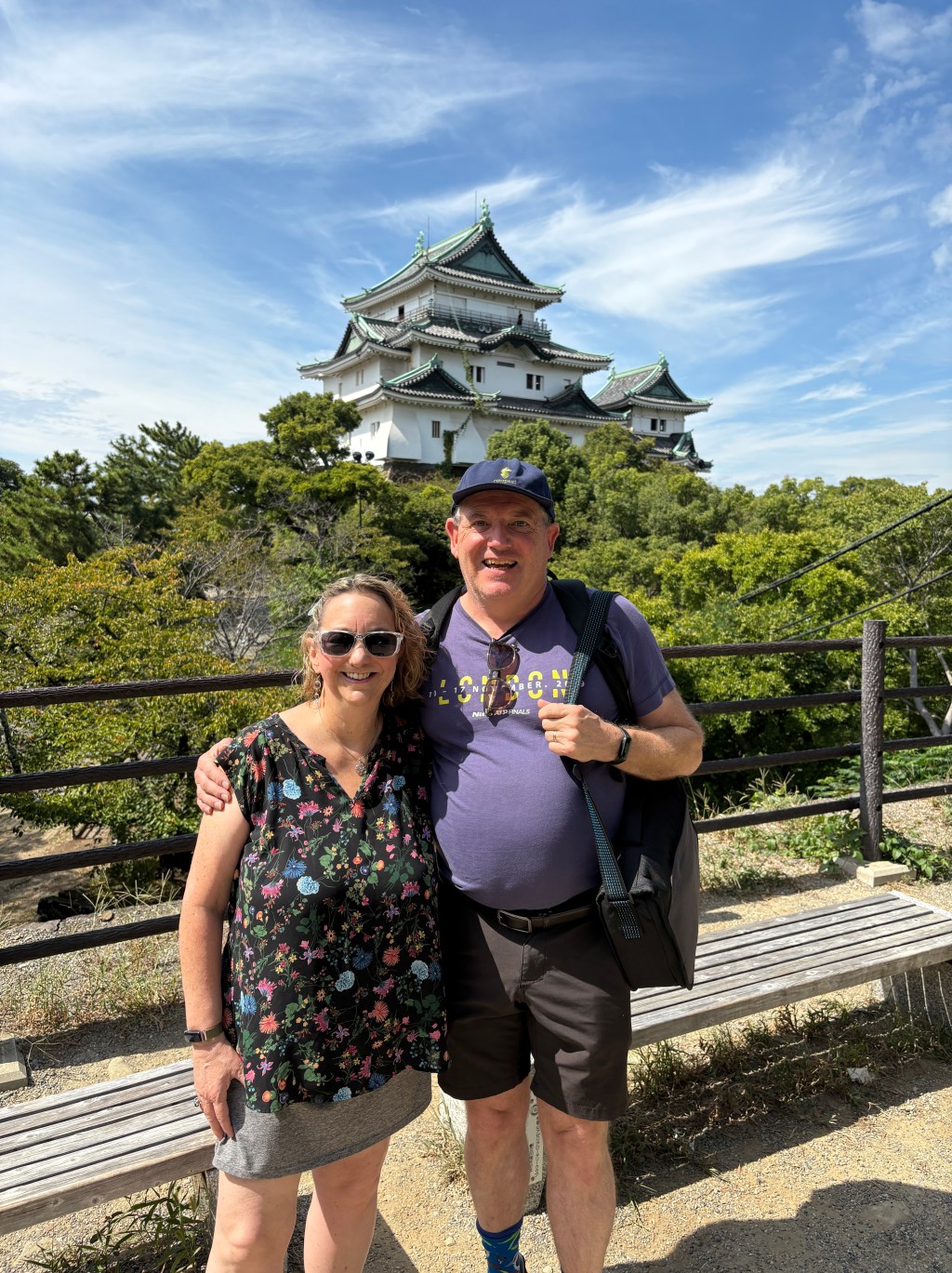
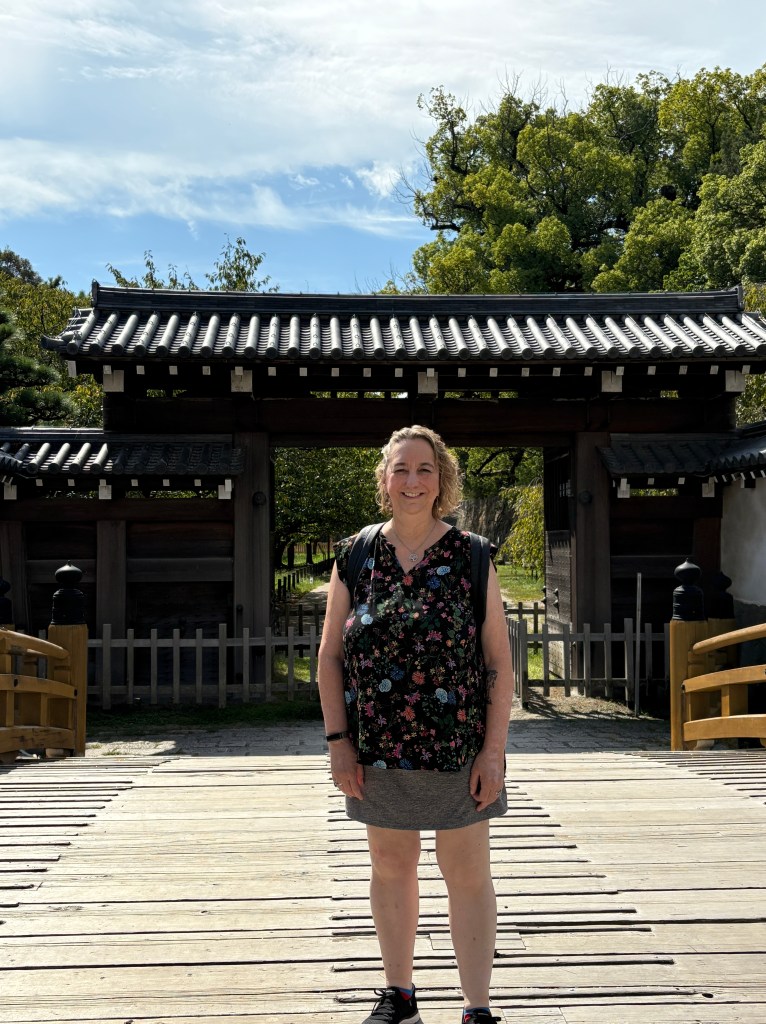
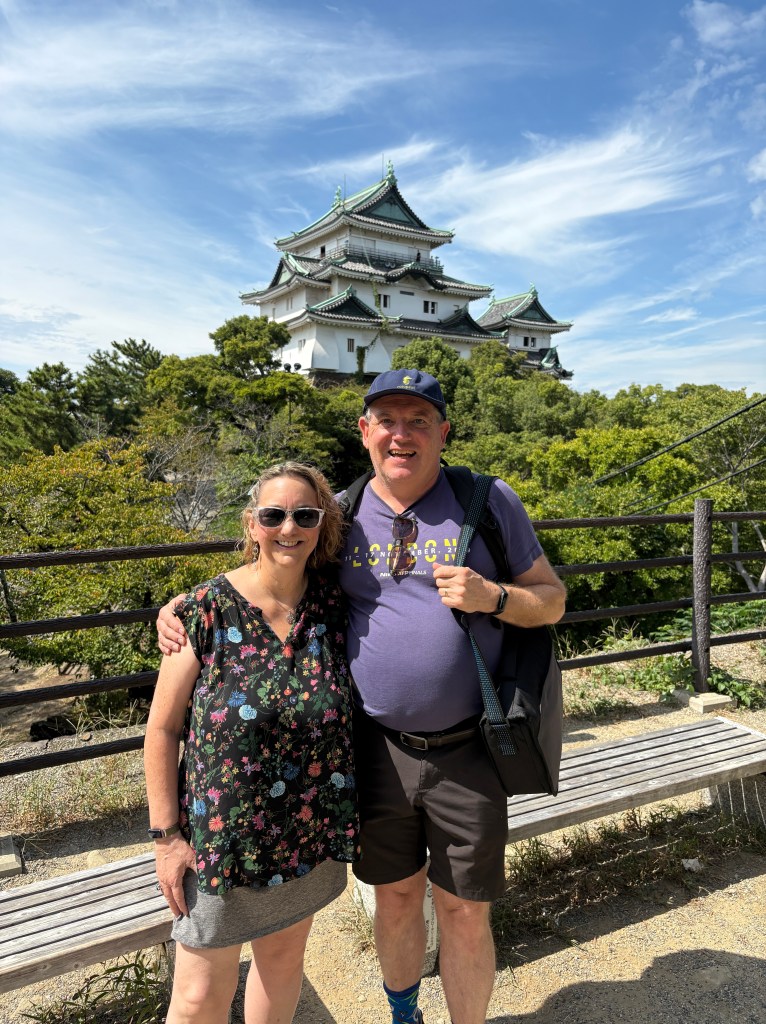
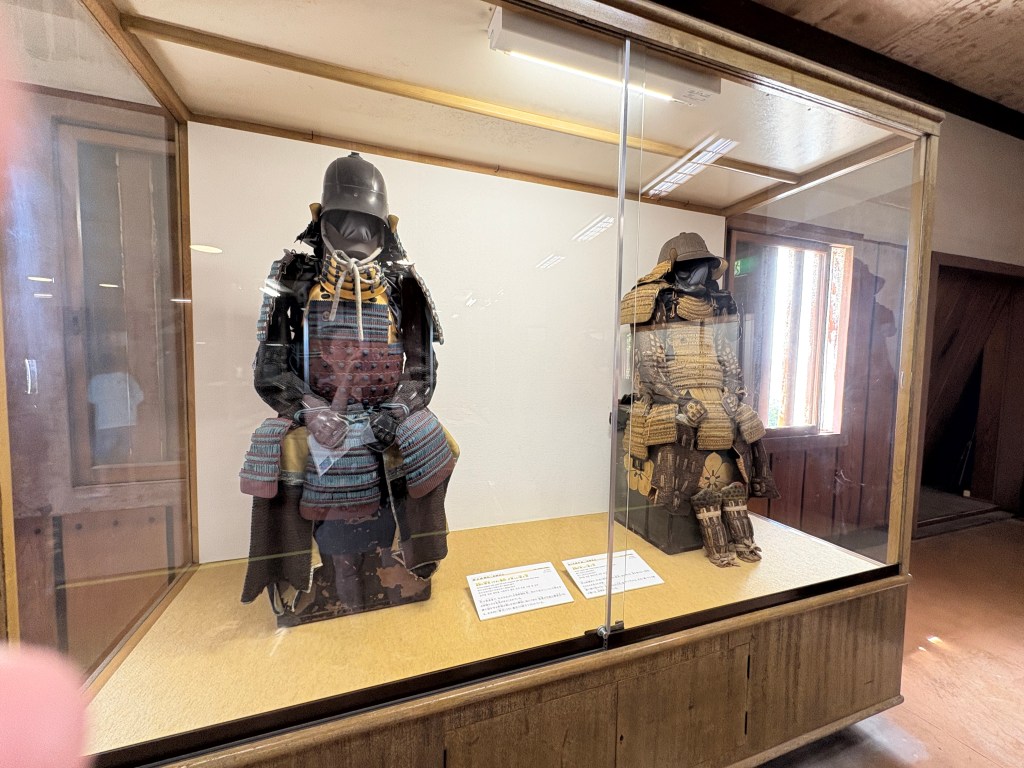
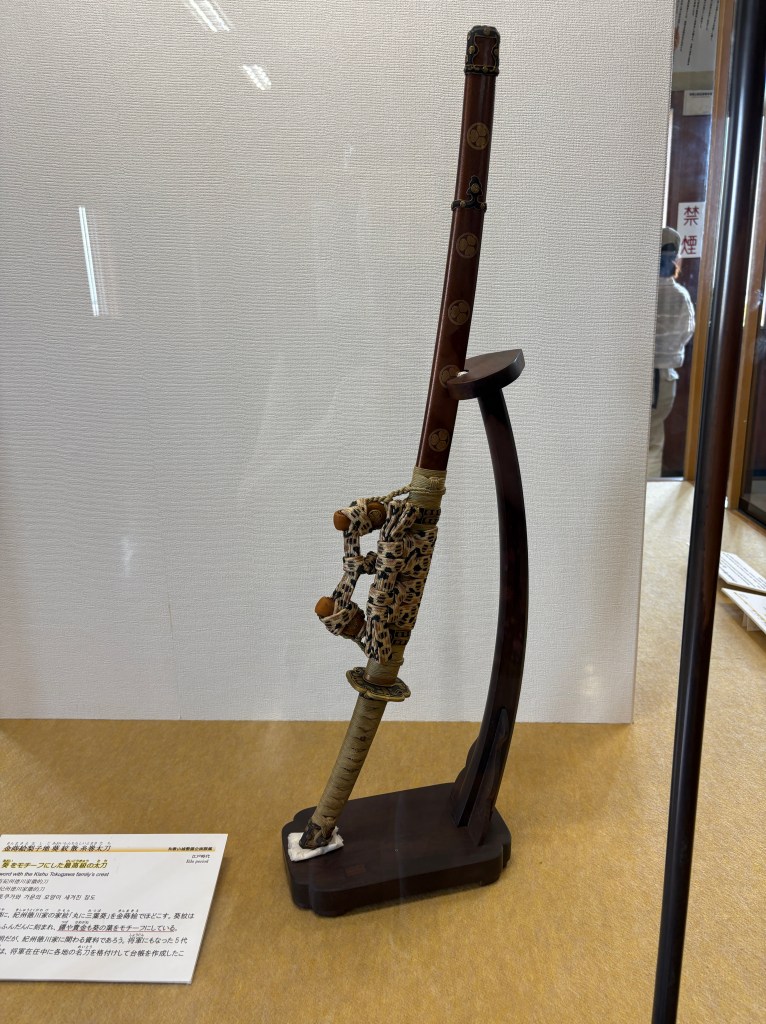
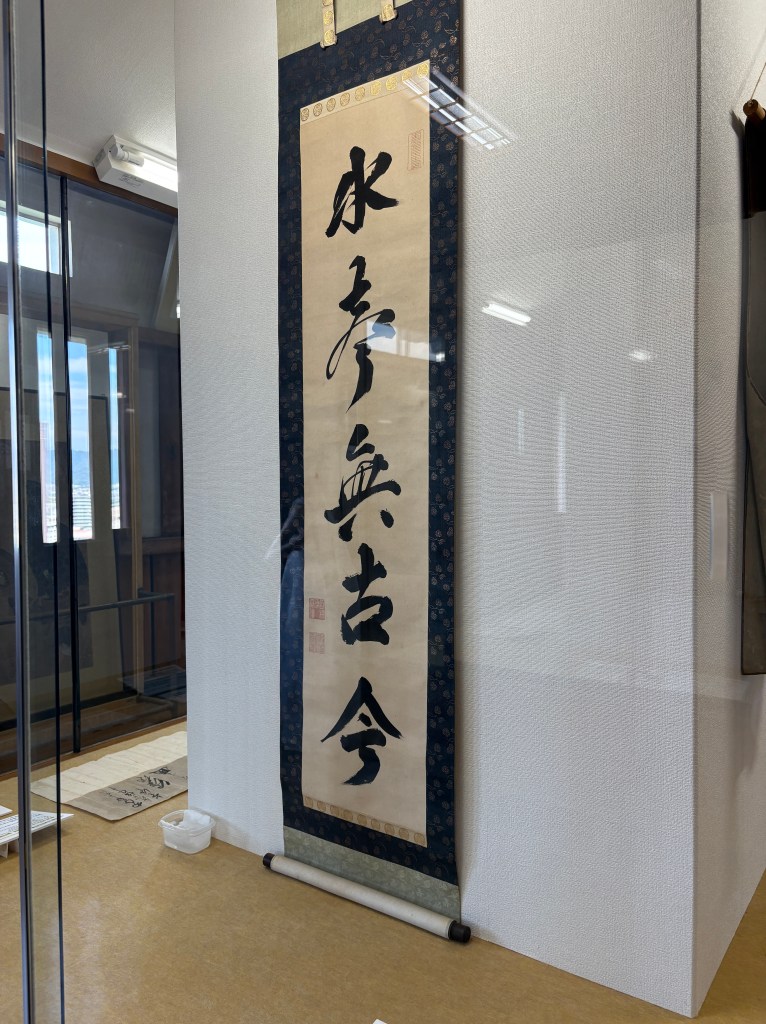
Wakayama Castle is an important historical site, but it was flattened during the war and later rebuilt. It’s a popular site for cherry blossom viewing.
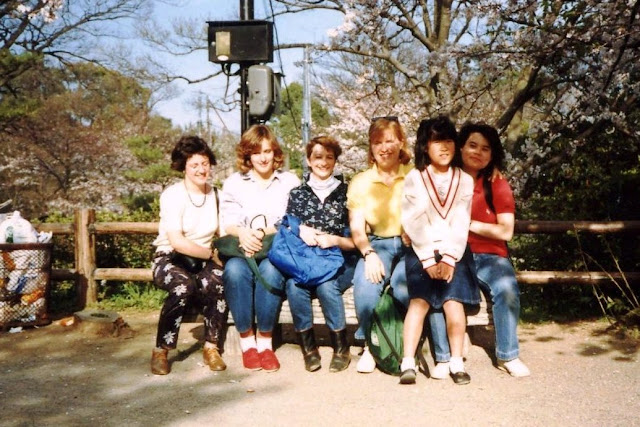
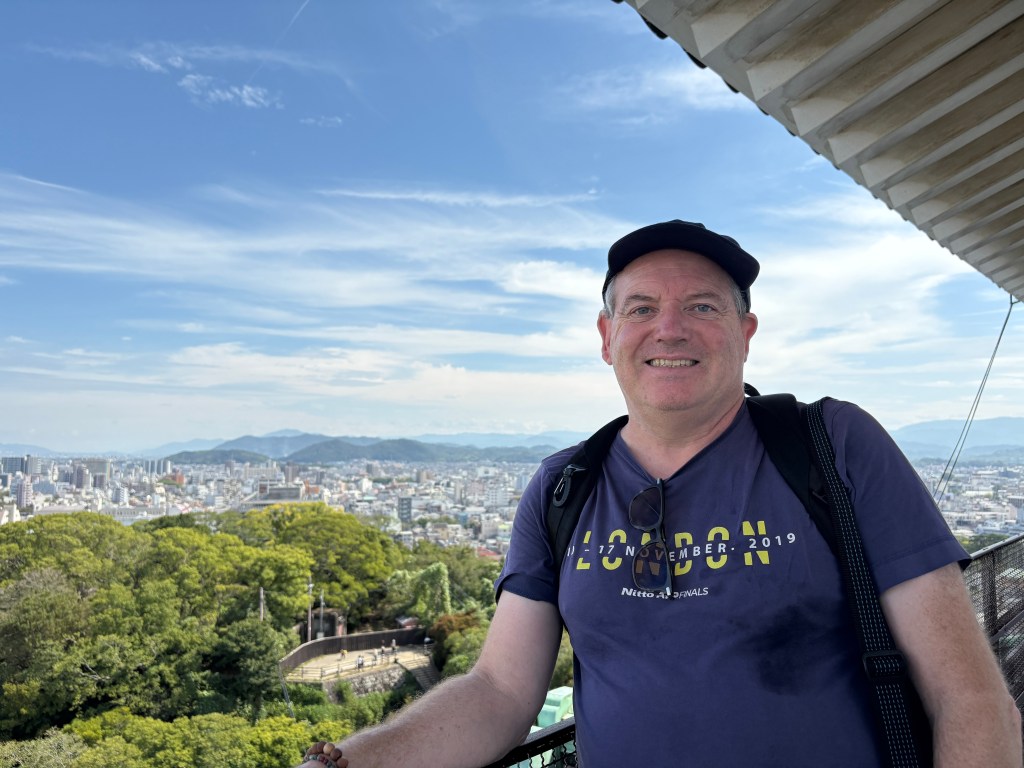
We really enjoyed visiting the castle again and viewing the wonderful museum there. Even though it was a Sunday, it was NOT busy compared to most of the other places we’d gone. Hallelujah.


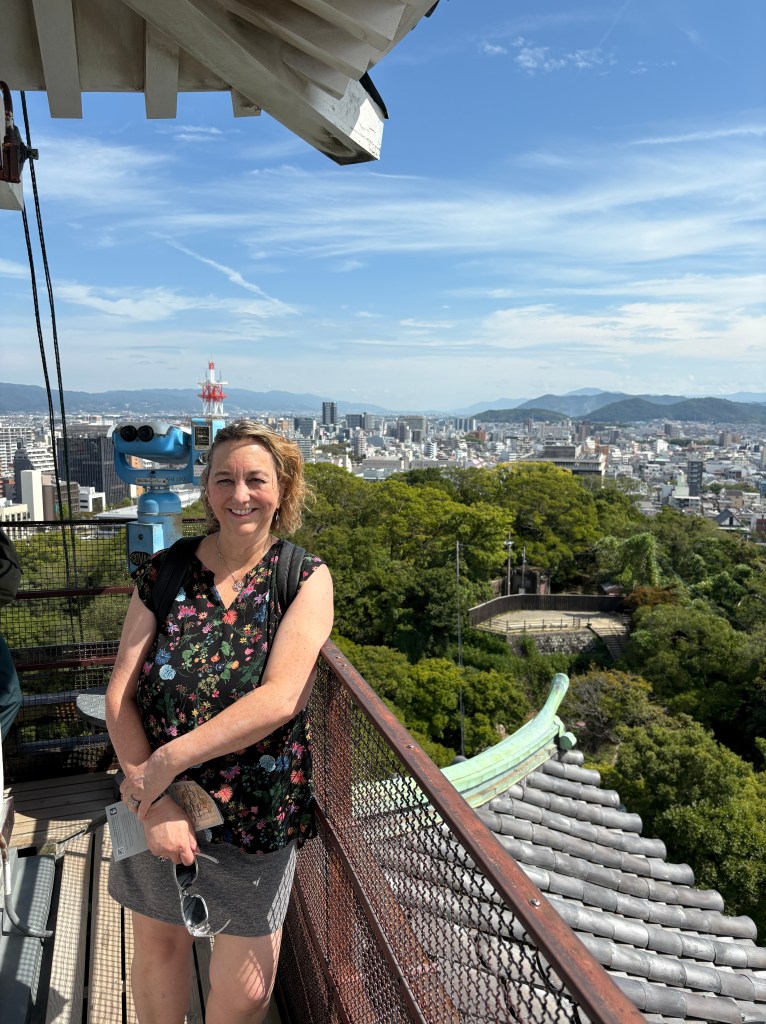

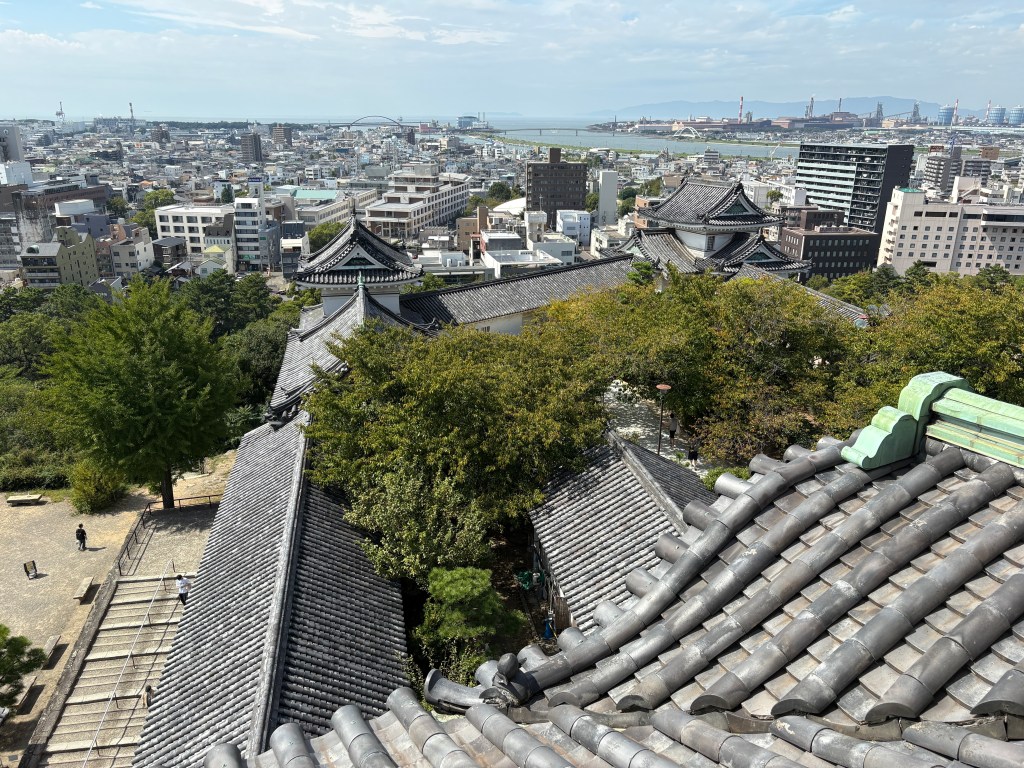
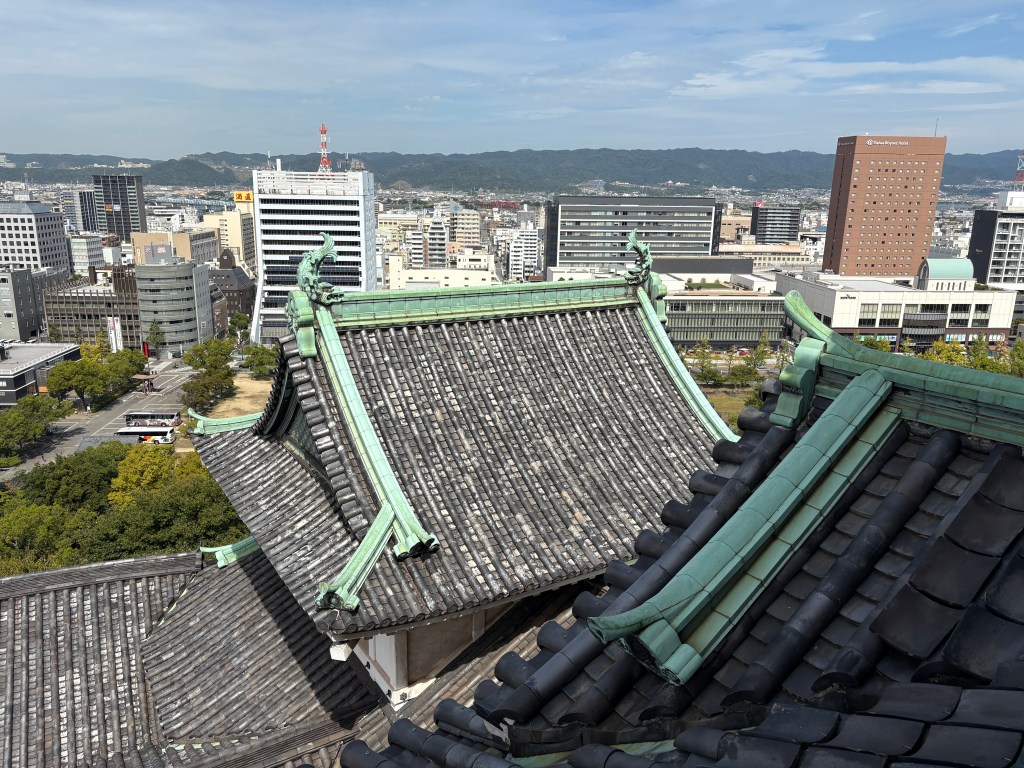


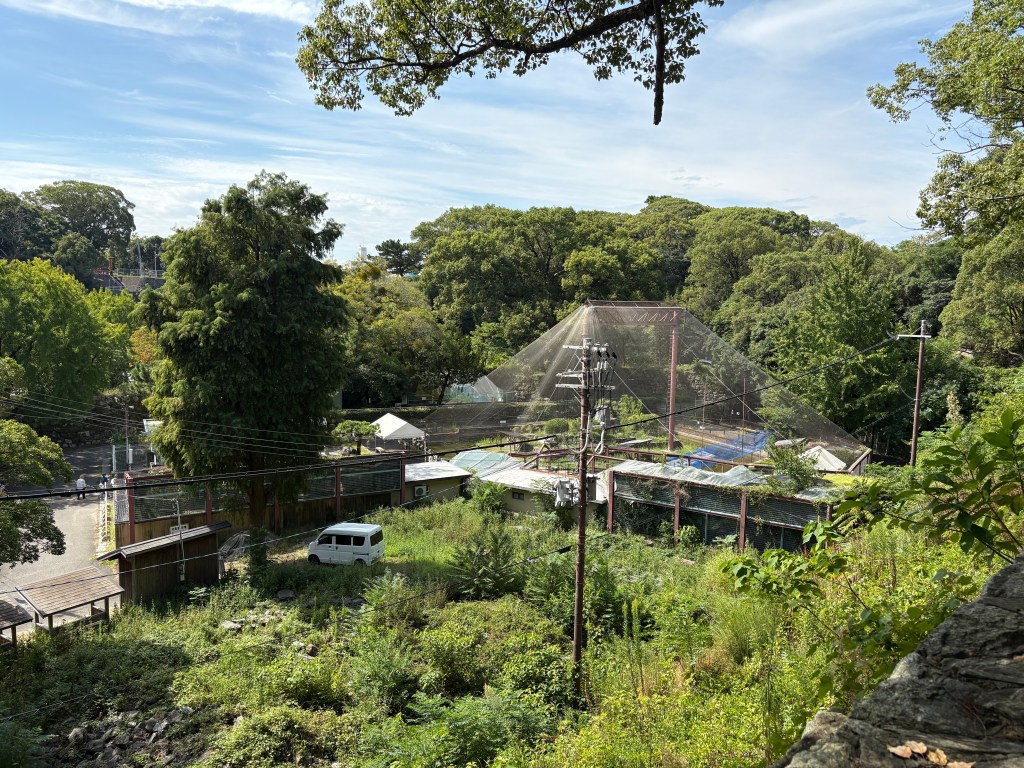
The castle grounds also held a zoo, which looked to be one of the saddest zoos ever. We remembered how we went camping with our friend Cath in Japan, and we visited a very depressing zoo near the campsite. With Google at hand, I did some research on Japanese zoos and it is not a good situation. Japan has no animal welfare laws, so most of their zoos are awful and the animals are treated inhumanely. It’s sad how a country that celebrates animals in stuffed or animated forms (and also has an immense deer park and many monkey sanctuaries) treats actual wild animals so poorly.
On a brighter note, since we were nearing the end of our trip, I enjoyed doing a bit of “omiyage” (souvenir) shopping in the castle shop, so they loved me!

Next back to Osaka for one last time to see our beloved Japanese teacher and her husband! It was so great to go back to Wakayama, even though some of the changes made me sad.


 Every Day Is a Miracle